


Understanding Peptides In Skincare


Peptides are tiny chains of amino acids that your skin needs to stay healthy and strong. When you use products with topical peptides for skin care, you help your skin boost collagen and stay firm. Clinical studies show that certain peptides, like palmitoyl tripeptide-5, can increase collagen and reduce wrinkles. You may notice your skin looks smoother and feels more elastic. This makes peptides a powerful tool in your daily skincare routine to fight signs of ageing and support overall skin health.
Key Takeaways
Peptides are essential for skin health. They help boost collagen production, making your skin firmer and smoother.
Using peptide serums regularly can reduce fine lines and wrinkles, giving you a more youthful appearance.
Peptides enhance your skin barrier, helping to retain moisture and protect against environmental damage.
Choose peptide products that suit your skin type and apply them consistently for the best results.
Peptides are gentle and safe for all skin types, making them a great addition to any skincare routine.
Peptides In Skin Care: The Basics
What Are Peptides?
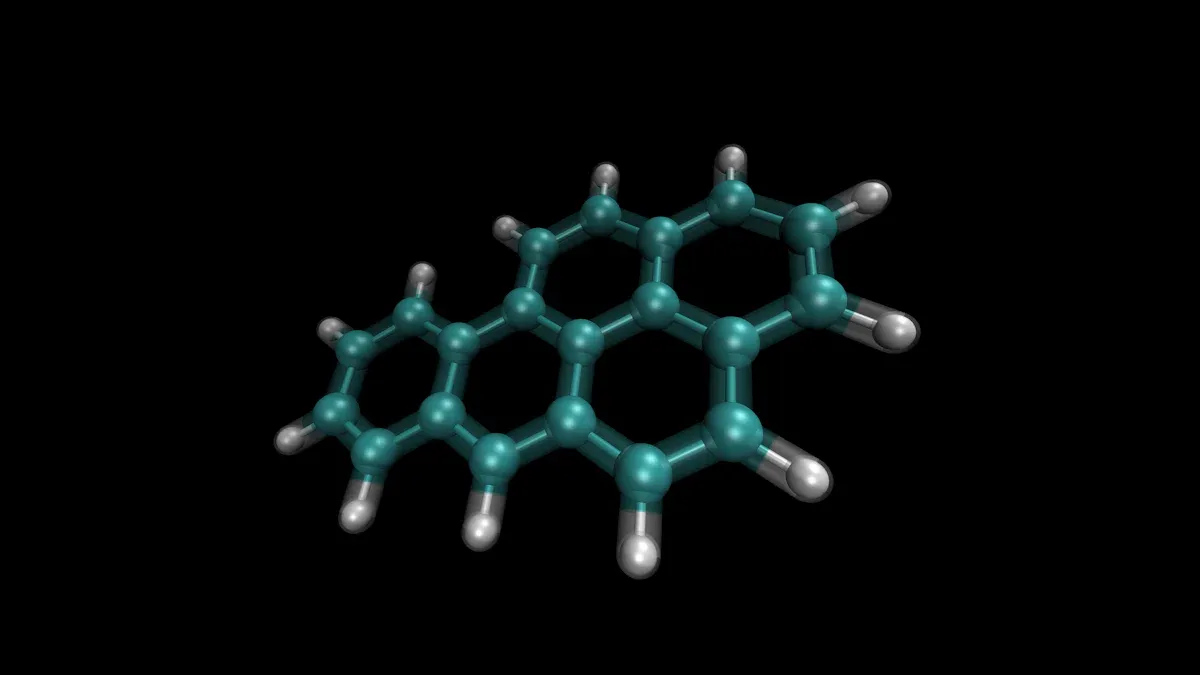
You can think of peptides as the building blocks your skin needs to stay strong and healthy. These are short chains of amino acids that work as messengers in your body. When you use topical peptides for skin care, you give your skin the tools it needs to repair itself and look younger. Peptides in skin care help your skin make more collagen and elastin, which are proteins that keep your skin firm and smooth.
Here is a table showing the most common types of peptides in skin care and what they do:
Type of Peptide |
Function |
|---|---|
Signal Peptides |
Initiate cellular transport and elicit biological responses. |
Carrier Peptides |
Transport trace minerals to the skin, acting as molecular delivery trucks. |
Neurotransmitter Peptides |
Prevent facial microcontractions, smoothing the skin's appearance. |
Enzyme-Inhibitor Peptides |
Block specific enzymes to preserve proteins and prevent hyperpigmentation. |
How Peptides Work In Skin
When you apply topical peptides for skin care, these small molecules can move through the outer layer of your skin. They send signals to your skin cells, telling them to start important jobs like making more collagen and repairing damage. Peptides in skin care also help your skin hold onto moisture and protect against things that can cause irritation.
Peptides act as messengers, signaling skin cells to perform important functions.
They boost collagen production, enhance elasticity, and reduce inflammation.
Different types of peptides have unique roles, such as relaxing facial muscles or delivering minerals.
Why Peptides Matter For Skin Health
You need peptides in skin care because they help your skin stay firm, smooth, and hydrated. Peptide serums can make your skin look younger by reducing fine lines and wrinkles. They also help your skin heal faster and stay protected from things like pollution and sun damage. Peptides in skin care improve your skin barrier, which keeps moisture in and harmful things out.
Tip: Using peptide serums as part of your daily routine can support improving skin health and fight signs of ageing. Peptide formulations are gentle and work well for most skin types.
Types Of Topical Peptides For Skin Care
You can find several types of peptides in skincare, each with a special job. These peptides help your skin look younger, feel firmer, and stay healthy. Here is a quick overview:
Type of Peptide |
Mechanism of Action |
|---|---|
Signal Peptides |
Stimulate collagen, elastin, and hyaluronic acid production. |
Carrier Peptides |
Deliver trace minerals to support wound healing and skin regeneration. |
Enzyme-Inhibitor Peptides |
Block enzymes that degrade collagen and elastin, protecting skin structure. |
Neurotransmitter-Inhibitor Peptides |
Reduce muscle contractions to minimize expression lines, often marketed as 'Botox-like'. |
Signal Peptides
Signal peptides tell your skin cells to make more collagen and elastin. These proteins keep your skin firm and smooth. For example, palmitoyl pentapeptide-4 helps your skin produce more collagen, which reduces wrinkles. Clinical studies show that signal peptides can improve skin texture and firmness. You may notice fewer fine lines and a more youthful look.
Tip: Signal peptides work best when you use them regularly in your routine.
Carrier Peptides
Carrier peptides act like delivery trucks. They bring important minerals, such as copper, to your skin cells. Copper peptides support wound healing and boost collagen production. They also help your skin repair itself after damage. You get extra benefits like brighter skin and better elasticity. Carrier peptides make it easier for your skin to absorb other active ingredients.
Neurotransmitter Inhibitor Peptides
Neurotransmitter inhibitor peptides relax your facial muscles. They block signals that cause muscle contractions, which helps smooth out expression lines. Acetyl hexapeptide-3 is a popular example. It can reduce wrinkle depth and give your skin a softer look. Many people call these peptides "Botox-like" because they target the same muscles that cause wrinkles from smiling or frowning.
Enzyme Inhibitor Peptides
Enzyme inhibitor peptides protect your skin from premature ageing. They stop enzymes that break down collagen and elastin. This keeps your skin strong and elastic. Some peptides from chickpeas or chia seeds can slow down collagen loss and help your skin stay firm. You get better protection against sagging and wrinkles.
Recent advances in peptide technology make these ingredients even more effective. Nanoencapsulation and lipid capsules help peptides reach deeper layers of your skin. These new delivery systems keep peptides stable and active, so you see better results.
What Do Peptides Do For Skin?
Collagen And Elasticity Support
You want your skin to look firm and youthful. Collagen peptides help you achieve this goal. These special molecules tell your skin cells to make more collagen and elastin. When you use products with collagen peptides, you give your skin the tools it needs to stay strong and flexible. You also help your skin repair itself after daily stress.
Many studies show that collagen peptides can boost collagen and improve elasticity. Here is a table that shows how different clinical trials measured these benefits:
Study Type |
Participants |
Treatment |
Duration |
Key Findings |
|---|---|---|---|---|
RCT |
Women with cosmetic surgeries |
Collagen peptides vs. placebo |
12 weeks |
Improvement in skin elasticity in treatment group, higher hydration and elasticity scores. |
RCT |
Women |
2.5g and 5.0g collagen hydrolysate vs. placebo |
60 days |
Statistically significant increase in skin elasticity in treatment groups compared to placebo. |
Double-blinded RCT |
Korean women (40+) |
1000 mg collagen vs. placebo |
3 months |
Notable increases in skin hydration and elasticity in treatment group. |
RCT |
Chinese women (35+) |
Higher and lower collagen peptides vs. placebo |
2 months |
Significant improvements in skin moisture, elasticity, and reduction in wrinkles in treatment groups. |
You can see that collagen peptides support your skin’s structure. They help you maintain a smooth and elastic appearance. When you add copper peptides to your routine, you also help your skin repair and recover from damage. Copper peptides deliver trace minerals that your skin needs for repair and skin rejuvenation properties. You get visible results like firmer, more hydrated skin.
Reducing Fine Lines And Wrinkles
You may notice fine lines and wrinkles as you age. Peptides can help you fight these changes. They work by signaling your skin to boost collagen and stop the breakdown of important proteins. This process leads to smoother skin and fewer wrinkles.
Here is how peptides compare to other popular ingredients for targeting signs of ageing:
Ingredient |
Benefits |
Drawbacks |
|---|---|---|
Peptides |
Signal skin cells to produce collagen, inhibit breakdown of collagen. |
None noted; suitable for sensitive skin. |
Retinol |
Speeds up cell turnover, stimulates collagen. |
Can cause irritation or dryness. |
Vitamin C |
Brightens skin, supports collagen. |
Can be unstable or irritating. |
Hyaluronic Acid |
Hydrates and plumps skin’s surface. |
Does not affect collagen levels. |
A double-blind, placebo-controlled trial found that a cream with 3% Palmitoyl Pentapeptide-4 (Matrixyl) showed significant improvements in fine lines and wrinkles, comparable to retinol without irritation.
Another study showed that Copper Tripeptide-1 (GHK-Cu) serum reduced wrinkle depth more than leading commercial products after eight weeks, while also enhancing firmness and elasticity.
You can choose peptides if you want visible results without redness or dryness. Copper peptides and collagen peptides both help your skin repair and smooth out lines. You get a gentle solution that works for sensitive skin.
Tip: For best results, use peptide creams or serums every day. Consistent use helps you see visible results in wrinkle reduction and firmness.
Enhancing Skin Barrier And Hydration
Your skin barrier protects you from outside harm. Peptides play a big role in keeping this barrier strong. Collagen peptides and copper peptides help your skin repair itself and hold onto moisture. This means your skin stays soft, smooth, and less likely to get irritated.
Studies show that peptides can enhance hydration and reduce water loss from your skin. The table below shows how much peptides can lower transepidermal water loss (TEWL), which means your skin keeps more moisture:
Time Period |
TEWL Reduction |
|---|---|
Week 2 |
|
Week 6 |
-28% |
Week 12 |
-41% |
You get visible results like plumper, more hydrated skin. Copper peptides also help your skin repair after sun exposure or pollution. When you use peptides, you support your skin’s natural barrier and boost collagen at the same time.
Note: Peptides are gentle and safe for all skin types. You can add them to your routine for better hydration, repair, and protection.
If you wonder what do peptides do for skin, you now know they help with repair, boost collagen, and give you visible results. Peptides offer powerful skin rejuvenation properties and support your journey to healthier, younger-looking skin.
Benefits Of Using Skin Care With Peptides
Anti-Aging And Firmness
You want your skin to look youthful and firm. Peptides help you reach this goal by supporting your skin’s natural collagen production. When you use anti-aging skin care with peptides, you notice fewer wrinkles and a smoother texture. Over time, your skin becomes plumper and more radiant. Peptides also protect your skin from environmental damage, which helps prevent premature ageing. Many people see the benefits of using skin care with peptides in their daily routine. You can add peptide eye creams to target delicate areas, or try peptide face masks for an extra boost. Peptide lip treatments keep your lips soft and youthful, too. These products give you age-defying skincare that works gently and effectively.
Calming And Repairing Skin
Your skin faces stress every day. Peptides help calm and repair irritated or damaged skin. Here are some ways peptides support your skin:
Peptides ease inflammation and redness.
They help repair damaged areas.
Peptides even out your skin tone.
You can use peptide eye creams to soothe sensitive under-eye skin. Peptide lip treatments repair dry or cracked lips. Palmitoyl Tetrapeptide-7 is a great choice for calming sensitive or acne-prone skin. This peptide reduces sensitivity and protects your skin from outside harm. You can also try peptide face masks when your skin needs extra comfort.
Peptide Name |
Benefits |
Skin Types |
|---|---|---|
Palmitoyl Tetrapeptide-7 |
Soothes inflammation, reduces sensitivity, protects |
Sensitive, irritated, acne-prone |
Suitable For All Skin Types
You can trust peptides for almost any skin type. Peptides are gentle and soothing, so they work well for sensitive skin. Many peptides have antimicrobial properties, which help if you have acne-prone skin. Peptides are natural parts of your skin, so most people tolerate them well. You can use peptide eye creams, peptide lip treatments, and peptide face masks without worry. These products fit into any skincare routine, whether your skin is dry, oily, or combination. The benefits of peptides make them a smart choice for anyone who wants healthy, glowing skin.
Tip: Try adding peptide-based anti-aging skin care to your routine for visible results and a gentle touch.
How To Use Peptides In Your Routine
Choosing The Right Products
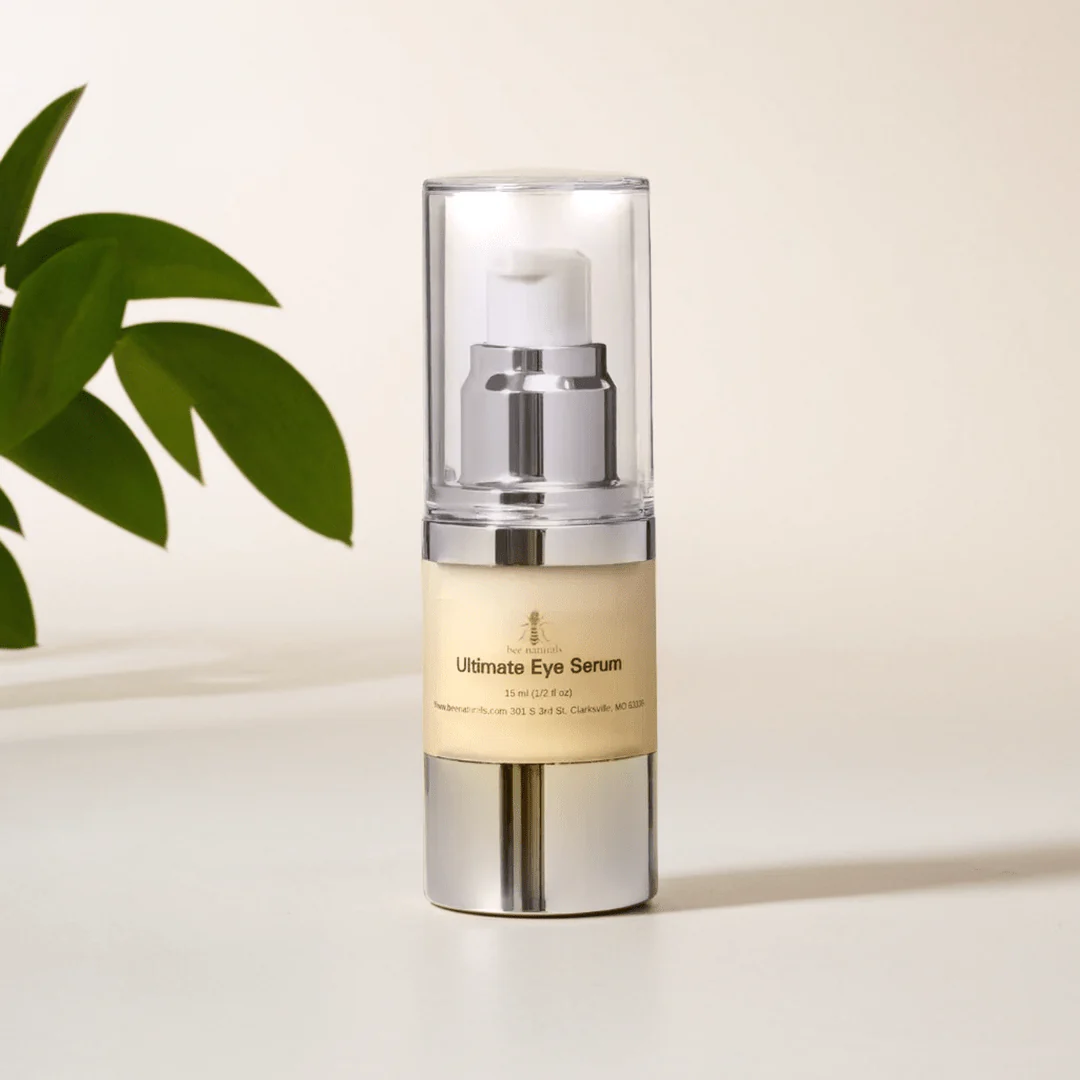
You want the best results from your skin care routine. Start by picking peptide-based products that match your needs. Look for a peptide serum or peptide moisturizers with pure peptides. Choose products in dark or opaque packaging to keep the ingredients stable. Make sure the product feels good on your skin and has a pleasant scent. Always select items that stay on your skin, like serums or moisturizers, instead of cleansers that rinse off. Check if the product works well with other helpful ingredients, such as vitamin C, niacinamide, or hyaluronic acid. Avoid products with strong acids, like AHAs, since they may weaken the effects of peptides.
Application Tips And Frequency
You can use a peptide serum or peptide moisturizers once or twice a day. Apply them after cleansing and before heavier creams. Using these products more often may help you see results faster. Most people notice changes in their skin after one to three months of regular use. In the morning, you can layer a peptide serum with an antioxidant serum and sunscreen. At night, pair it with a barrier-repairing moisturizer. Evening use is helpful because your skin repairs itself while you sleep. Remember, a consistent daily skin care routine gives you the best chance to see improvements.
Tip: Stick to your routine and be patient. Visible results take time, but your skin will thank you!
Combining Peptides With Other Ingredients
You can boost your skincare by combining peptides with other gentle, effective ingredients. Niacinamide helps repair your skin and gives you a more even tone. Vitamin C works well with peptides to brighten and protect your skin. Ceramides and squalene lock in moisture and support your skin barrier. Saccharide isomerate adds deep hydration, while Unisooth ST calms sensitive skin. These combinations make peptide-powered products even more effective and help you fight signs of ageing.
Note: Always patch test new products to make sure your skin stays happy and healthy.
Safety And Comparison To Other Actives
Are Peptides Safe?
You may wonder if peptides are safe for your skin. Research shows that peptides in topical skincare are generally safe. Scientists found that a specific tripeptide, palmitoyl-Gly-His-Lys, can help your skin make more collagen and become thicker when used at low concentrations. Another modified dipeptide can lower your skin’s sensitivity to irritants. This means peptides not only build your skin’s structure but also protect it from harm. Most people tolerate peptides well, and allergic reactions are rare. You can use peptide products daily without worrying about redness or flaking.
Note: Peptides offer gentle support for your skin, making them a smart choice for anyone looking to improve skin health.
Peptides vs. Retinol And Other Ingredients
You might compare peptides to other popular actives like retinol. Peptides and retinol both target signs of ageing, but they work in different ways. Retinol forces your skin to renew itself quickly, which can cause dryness and irritation. Peptides signal your skin to boost collagen naturally, giving you a gentler path to smoother skin.
Here is a table showing how peptides and retinol compare in terms of side effects and tolerance:
Ingredient |
Side Effects |
Tolerance Level |
|---|---|---|
Peptides |
Generally mild, rare allergic reactions, no redness or flaking |
High |
Retinol |
Dryness, flaking, redness, irritation, photosensitivity, skin purging |
Moderate to Low |
You can see that peptides have fewer side effects and suit sensitive skin. Retinol works faster and can reduce deep wrinkles and dark spots more effectively. Peptides help with firmness, elasticity, and radiance, but you may need more time to see results.
Criterion |
Peptides |
Retinol |
|---|---|---|
Fine line reduction |
Moderate to good |
Good to excellent |
Deep wrinkle reduction |
Moderate |
Good |
Collagen stimulation |
Good |
Excellent |
Anti-dark spots |
Low |
Excellent |
Complexion radiance |
Good |
Very good |
Firmness and elasticity |
Good |
Good |
Speed of results |
8 to 12 weeks |
4 to 8 weeks |
Peptides also work well with other actives in your routine. You can combine peptides with vitamin C, hyaluronic acid, or niacinamide for extra benefits. These combinations help brighten your skin, lock in moisture, and improve elasticity.
Tip: If you want gentle anti-ageing results, peptides are a great option. You can use them alone or with other actives for a balanced skincare routine.
You can transform your skincare routine with peptides. These powerful ingredients help your skin look smoother, firmer, and more hydrated. Peptides support collagen production, repair damage, and minimize signs of ageing. For best results, apply peptide serums or creams after cleansing and before moisturizing. Choose products with stable formulas and consult a skincare professional for advice.
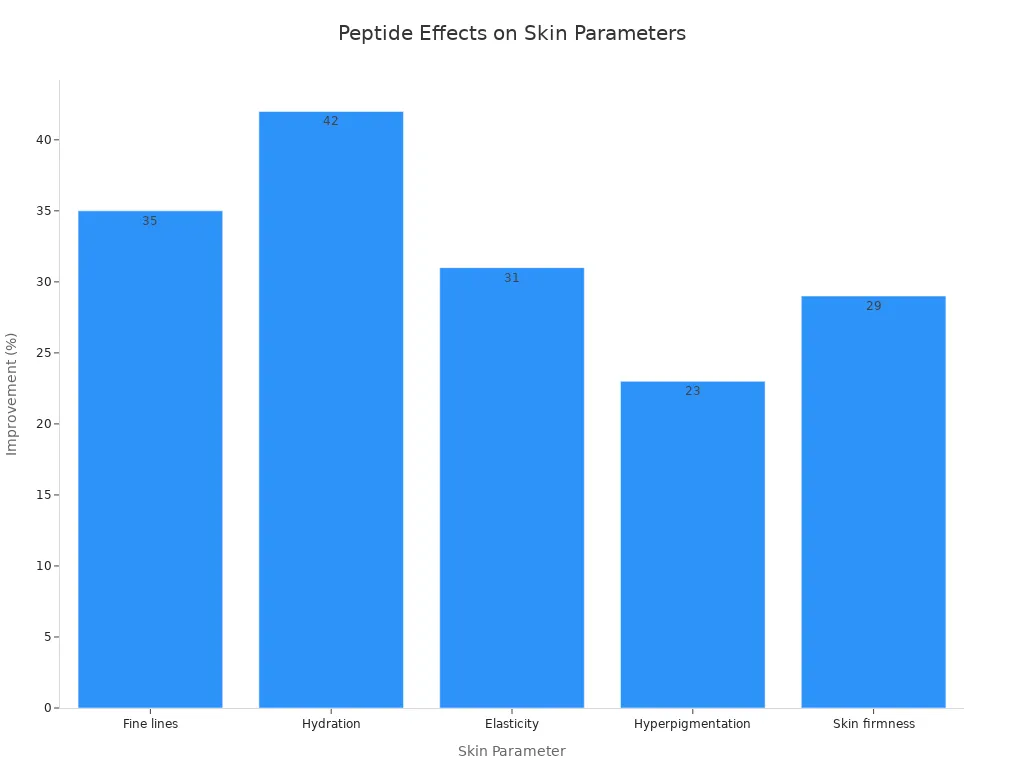
Peptides boost hydration and skin firmness.
They help reduce fine lines and improve elasticity.
Tip: Consistent use and the right product choice give you the best results.
FAQ
What are peptides and how do they help your skin?
Peptides are small chains of amino acids. You use them in skincare to support collagen production. Peptides help your skin look firmer and smoother. They also reduce signs of ageing.
Can you use peptides with other skincare ingredients?
You can combine peptides with ingredients like vitamin C, hyaluronic acid, and niacinamide. These combinations boost hydration and brighten your skin. Always patch test new products.
How long does it take to see results from peptide products?
Most people notice changes in their skin after four to twelve weeks. You see smoother texture and fewer wrinkles. Consistent use gives you the best results.
Are peptides safe for sensitive skin?
Peptides are gentle and safe for most skin types. You can use them if you have sensitive skin. Allergic reactions are rare.
Do peptides work for all ages?
You benefit from peptides at any age. Younger skin stays healthy and strong. Mature skin sees fewer wrinkles and better elasticity.