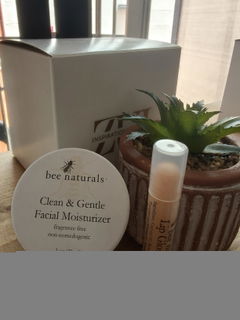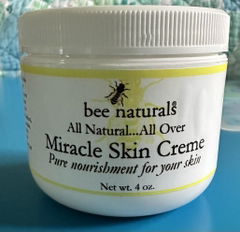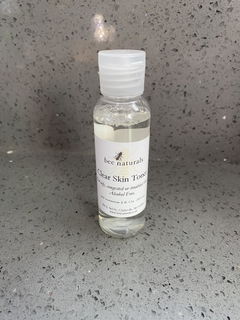


The first step to healthy skin is clean skin.
-
6% Niacinamide Complex SerumKey Benefits: Hydrates skin without adding excess oil or clogging pores. Helps balance and smooth uneven skin texture over time. Lightweight formula absorbs quickly for a fresh, comfortable feel. Supports a clearer-looking complexion for all skin types. Works well under makeup or as part...
- $25
- $25
- Unit price
- per
-
Tinted Facial Primer with 25% Zinc OxideThe Ultimate Skin Saver: Bee Naturals Tinted Facial Primer Unlock the secret to radiant, flawless skin with our Tinted Facial Primer, featuring an impressive 25% zinc oxide and completely free of harmful nanoparticles. This revolutionary formula is carefully crafted to transform your beauty routine,...
- $37
- $37
- Unit price
- per
-
Tinted Facial Primer SPF 40Tinted Facial Primer SPF 40 Elegance in Sun Protection: A facial mineral sunscreen in a unique base that offers exceptionally elegant sun protection with a sheer matte finish. It can be used alone or layered invisibly under makeup to replace one’s foundation primer. It's...
- From $9
- From $9
- Unit price
- per
-
Miracle Makeup Tinted MoisturizerOur makeup is truly a miracle in a small package, with natural botanicals and soft focus that visibly reduces the appearance of fine lines and wrinkles by up to 83%! SkinTight C-Root is a peptide that firms and tightens. And with its sheer coverage,...
- From $24
- From $24
- Unit price
- per
-
Restore Barrier Night Crème with Zinc OxideKey Benefits: Supports your skin's natural overnight renewal process. Zinc oxide helps soothe and calm delicate skin. Nourishes dry or dehydrated skin while you sleep. Works well for sensitive, normal, and combination skin types. Leaves skin feeling soft and refreshed by morning. Description: Give...
- $36
- $36
- Unit price
- per
-
Detox Facial MaskKey Benefits: Draws out deep impurities with four mineral-rich clays for cleaner pores. Absorbs excess oil and helps reduce the look of enlarged pores. Gently exfoliates with natural oatmeal to reveal smoother, brighter skin. Soothes and calms skin with lavender and botanical essential oils....
- $20
- $20
- Unit price
- per