


Support healthy skin starts with what you eat

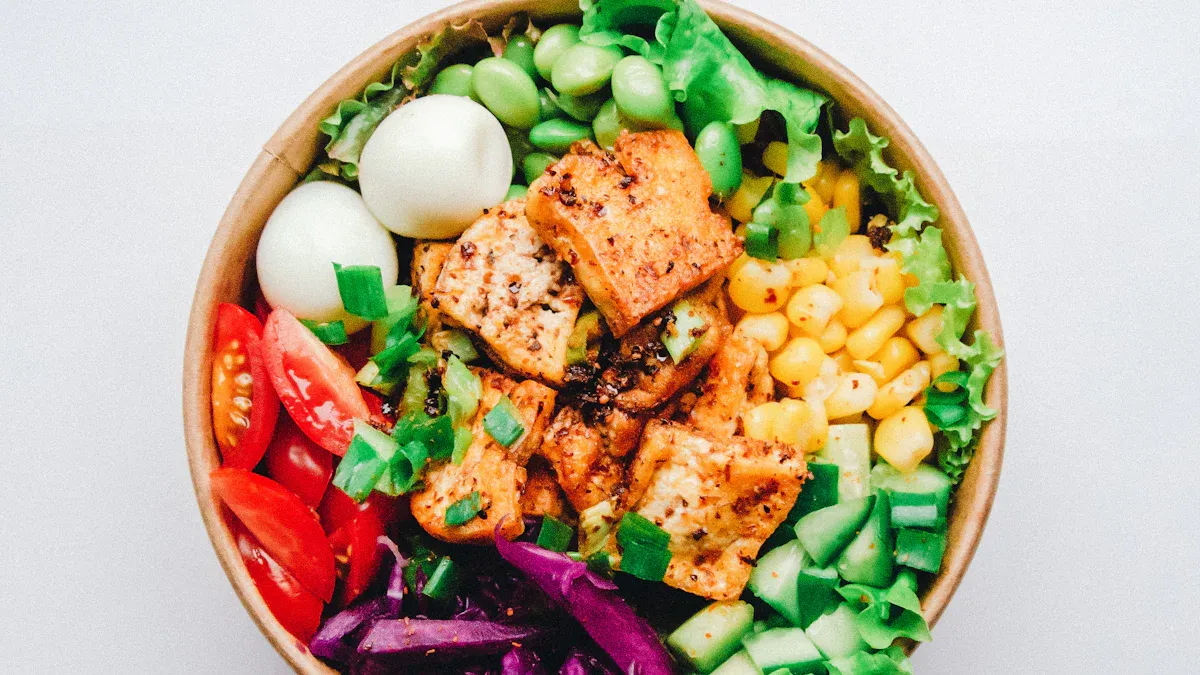
You might not realize how much your meals impact your skin. Diet plays a major role in how your skin looks and feels. Other habits like stress, sleep, hydration, and sun safety also matter, but what you eat often shows up on your skin first. Many people notice that certain foods, such as cow’s milk, eggs, peanuts, wheat, and excess salt can trigger flare-ups or worsen conditions like atopic dermatitis. Small changes in your eating habits can support healthy skin and help you feel more confident in your daily life.
Key Takeaways
What you eat can change how healthy your skin is. Eating more fruits, vegetables, and whole grains can make your skin look better.
Try not to eat too many sugary or processed foods. These foods can cause pimples and make your skin look less bright.
Drink at least 8 glasses of water every day to stay hydrated. Drinking enough water keeps your skin soft and helps stop wrinkles from forming.
Watch how much dairy you eat. If you get pimples, try eating less dairy to see if your skin gets better.
Eat foods with antioxidants and healthy fats, like salmon and nuts. These foods help your skin heal and can lower swelling.
Studies indicate that excess salt consumption can trigger acne.
There is anecdotal evidence that a low carb, or carnivore diet may improve multiple skin conditions. Check out this interview with Dr. Boz and The Steak and Butter Gal.
Diet and Skin Issues
Sugar and Processed Foods
Eating lots of sugar or processed foods can make your skin worse. Your skin might break out or look less bright. Foods like candy, white bread, and pastries raise your blood sugar fast. When this happens, your body makes more insulin. More insulin tells your skin to make extra oil. This oil can block your pores and cause acne. People who eat more sugary foods often have more acne than others.
Chips and packaged snacks are processed foods. They have unhealthy fats and extra sugar. These things can cause inflammation in your body. Inflammation can make acne, eczema, and psoriasis worse. Eating fewer processed foods helps your skin stay strong as you get older.
-
High-glycemic foods can:
Make your body produce more insulin and IGF-1, which increases oil and inflammation.
Change hormones and hurt skin proteins like collagen.
Cause more breakouts and early wrinkles.
Dairy Effects
Dairy foods, especially milk, can change your skin. Some studies found that girls who drank more milk had more acne. This happened with both whole and skim milk. Boys had a weaker link, but milk still mattered. Skim milk seems to cause the most acne. Other dairy foods, like instant breakfast drinks and cream cheese, can also be a problem for some people.
Condition |
Negative Dairy Products |
|---|---|
Alopecia areata |
Dairy products |
Atopic dermatitis |
Milk |
Acne |
Skim milk |
Inflammatory conditions |
Dairy products |
Dairy can cause inflammation and redness, especially if your skin is sensitive or you have eczema. If you notice more breakouts after eating dairy, try eating less to see if your skin gets better.
Inflammatory Foods
Some foods cause more inflammation in your body. These include foods with lots of sugar, fried foods, processed meats, and alcohol. When you eat these foods, your body makes chemicals that can make skin problems worse.
Food Type |
Effect on Skin Conditions |
|---|---|
High-sugar foods |
Raises insulin, which causes more oil, acne, redness, and fungal growth. |
Dairy |
Can cause inflammation, breakouts, and redness in some people. |
Fried foods |
Cause inflammation and early aging because of unhealthy fats and free radicals. |
Alcohol |
Dries out your skin, causes redness, and makes rosacea and psoriasis worse. |
Sugary foods and refined carbs can hurt your skin’s building blocks. This can make your skin look older. Processed meats and fried foods have unhealthy fats and preservatives. These can dry out your skin and make it weaker. Alcohol dries out your skin and can make redness and flare-ups worse.
Food Sensitivities
Some people have food sensitivities or allergies that show up on their skin. Common triggers are cow’s milk, eggs, peanuts, soy, wheat, nuts, and fish. If you have a food allergy, your immune system reacts fast. You might get hives, itching, or swelling. Food sensitivities can cause slower problems, like stomach pain or mild rashes.
People with atopic dermatitis often have more food allergies. This can make their skin condition worse. If you think a food is causing skin problems, you can try an elimination diet. This means you stop eating the food for a while. Then you add it back slowly to see if your skin reacts. Always talk to a doctor or dietitian before trying this, so you still get all the nutrients you need.
Watching what you eat can help your skin and keep away foods that make skin problems worse.
Support healthy skin with nutrition
Hydration and Water
Your skin needs water to stay healthy. Skin is made mostly of water. Drinking water helps your skin look full and smooth. It can help stop fine lines and wrinkles. Water keeps your skin barrier strong. This helps your skin hold moisture and stay stretchy.
Dr. Whitney Bowe says, "When your skin has enough water, it is stronger and more stretchy. Skin cells filled with water look full and do not collapse. This helps stop fine lines and wrinkles."
Try to drink at least 8 glasses of water each day. You may need more if you sweat a lot or live somewhere hot. Drinking water every day is better than drinking a lot at once.
Recommendation |
Details |
|---|---|
Add this to your normal drinks for better skin hydration. |
|
2–3 liters/day |
Get this much water from all drinks and foods for skin health. |
Consistency |
Drink water often for the best results. |
Essential Nutrients
Your skin needs certain nutrients to stay healthy. Zinc helps your skin heal and lowers swelling. Copper helps your skin make collagen and melanin. Selenium protects your skin from the sun and keeps it strong. Vitamin C helps your skin make collagen and protects it from sun damage. Vitamin D lowers swelling and helps cuts heal. Vitamin E protects your skin from stress and keeps it strong.
Zinc: Helps skin heal and lowers swelling.
Copper: Makes collagen and melanin.
Selenium: Protects from sun and helps collagen.
Vitamin C: Builds collagen and protects from sun.
Vitamin D: Lowers swelling and heals cuts.
Vitamin E: Protects from stress and keeps skin strong.
If you do not get enough vitamins and minerals, your skin can change. Not enough vitamin C can cause skin spots and bleeding gums. Not enough vitamin D can make eczema worse. Getting enough nutrients helps your skin stay healthy.
Antioxidants
Antioxidants help protect your skin from harm. They fight bad molecules called free radicals. These can cause wrinkles, dry skin, and make your skin age faster. Antioxidants help your skin stay moist and smooth. They also help your skin make collagen and heal.
Benefit of Antioxidants on Skin |
Description |
|---|---|
Reducing DNA damage |
Shields skin cells from UV light. |
Helps skin stay moist. |
|
Stimulating collagen production |
Builds strong and stretchy skin. |
Reducing wrinkles and pigmentation |
Makes skin look younger. |
Supporting healing processes |
Helps skin get better. |
Reducing inflammation |
Lowers redness and swelling. |
Softening skin |
Makes skin feel softer. |
You can get antioxidants from fruits, vegetables, nuts, and seeds. These foods help your skin stay healthy and slow down aging.
Gut Health
Your gut and skin help each other. A healthy gut can lower swelling and keep your skin strong. Good bacteria in your gut make things that help your skin. Probiotics and prebiotics help your gut and support your skin.
Probiotics lower swelling and help make collagen.
They help stop and treat skin problems like eczema and acne.
Probiotics help your skin hold water and keep its barrier strong.
They slow cell death and help protect against aging.
Eating yogurt, kefir, and foods with fiber can help your gut. When your gut is healthy, your skin looks and feels better.
Healthy Skin Diet Tips

Support healthy skin: Foods to include
You can support healthy skin by choosing foods that give your body the right nutrients. Try to eat a variety of fruits, vegetables, whole grains, lean proteins, and healthy fats. These foods help your skin stay strong, moist, and clear.
Nutrient |
Benefit |
Food Sources |
|---|---|---|
Protect skin from damage |
Berries, dark chocolate, green tea |
|
Reduce inflammation, support skin barrier |
Salmon, walnuts, chia seeds, flaxseeds |
|
Vitamin C |
Boost collagen, brighten skin |
Citrus fruits, bell peppers, kiwi |
Vitamin E |
Protect cells, support repair |
Almonds, hazelnuts, spinach |
Zinc |
Heal skin, control acne |
Pumpkin seeds, chickpeas, lean meats |
Water-Rich Foods |
Hydrate skin |
Cucumber, watermelon, leafy greens |
You can also add foods like tomatoes, avocados, and whole grains. These help protect your skin from sun damage and keep it elastic.
Foods to limit or avoid
Some foods can make skin problems worse. You should limit or avoid these foods to support healthy skin:
Sugary snacks and drinks (candy, soda, pastries)
Refined grains (white bread, white rice)
High glycemic foods (chips, fries)
Dairy products (milk, cream cheese) if you notice breakouts
Processed meats and fried foods
Alcohol
Alcohol can speed up skin aging and weaken your skin barrier. Try to limit alcohol to one drink a day for women and two for men.
Sample meal ideas
You can build meals that support healthy skin by mixing nutrient-rich foods. Here are some ideas:
Breakfast: Green tea, grapefruit, and scrambled eggs cooked in olive oil
Snack: Almonds and a few slices of cheese
Lunch: Boiled egg, half an avocado, and a cup of kefir
Dinner: Grilled salmon, roasted broccoli, and quinoa
Add-ons: Sunflower seeds on salads, bell peppers with hummus, or avocado on whole grain toast
These meals give you vitamins, minerals, healthy fats, and protein. They help your skin repair and stay hydrated.
Building healthy habits
You can support healthy skin by making small changes every day. Drink at least 8 glasses of water. Plan your meals ahead of time. Choose snacks like fruit, nuts, or yogurt. Practice mindful eating by paying attention to hunger and fullness. Try to manage stress and get enough sleep. These habits help your skin and your whole body.
Remember, healthy eating works best when you stick with it. Small steps add up to big changes for your skin.
You can support your skin by making smart food choices every day. Research shows that:
A balanced, plant-based diet helps your gut and skin stay healthy.
Processed foods and animal products may make skin problems worse.
High-sugar foods can lead to acne and early aging.
Eating more plants and fewer processed foods can lower skin inflammation.
You have the power to improve your skin. Start with your plate and build healthy habits for lasting results.
FAQ
What foods help clear up acne?
You can eat foods rich in omega-3s, like salmon and walnuts. Add more fruits and vegetables for antioxidants. Drink water often. These foods help lower inflammation and support clear skin.
Can drinking more water improve my skin?
Yes! Water helps your skin stay moist and smooth. You should drink water throughout the day. This keeps your skin barrier strong and helps prevent dryness.
Should you avoid all dairy for better skin?
Not always. Some people notice breakouts after eating dairy. You can try limiting milk or cheese to see if your skin improves. If you do not see changes, dairy may not be a problem for you.
How fast will diet changes affect your skin?
You may see changes in your skin after two to four weeks. Your skin needs time to heal and renew. Stay patient and keep healthy habits.
Do supplements help with skin health?
Supplements can help if you do not get enough nutrients from food. You should talk to your doctor before starting any supplement. Whole foods give your body the best support for healthy skin.