


What Makes Zinc Oxide a Skincare Powerhouse

Zinc oxide does far more than block the sun. This mineral protects your skin, calms redness, and supports healing. Dermatologists praise it for good reason.
You might wonder what else it can do for your skin. Science shows it strengthens your barrier, fights acne bacteria, and even fades dark spots. It sits on top of your skin without getting absorbed.
The research behind these benefits is solid. Stick around to see how this one ingredient earns its powerhouse title.
Key Takeaways
Zinc oxide sits on your skin and blocks both UVA and UVB rays. It also calms redness and helps heal irritation.
This mineral fights acne by controlling oil and killing bacteria. Bacteria do not become resistant to it.
Non-nano zinc oxide stays on your skin's surface. It does not enter your blood, making it safe for sensitive skin.
Using products with zinc oxide can help fade dark spots and strengthen your skin barrier over time.
What Zinc Oxide Does for Skin
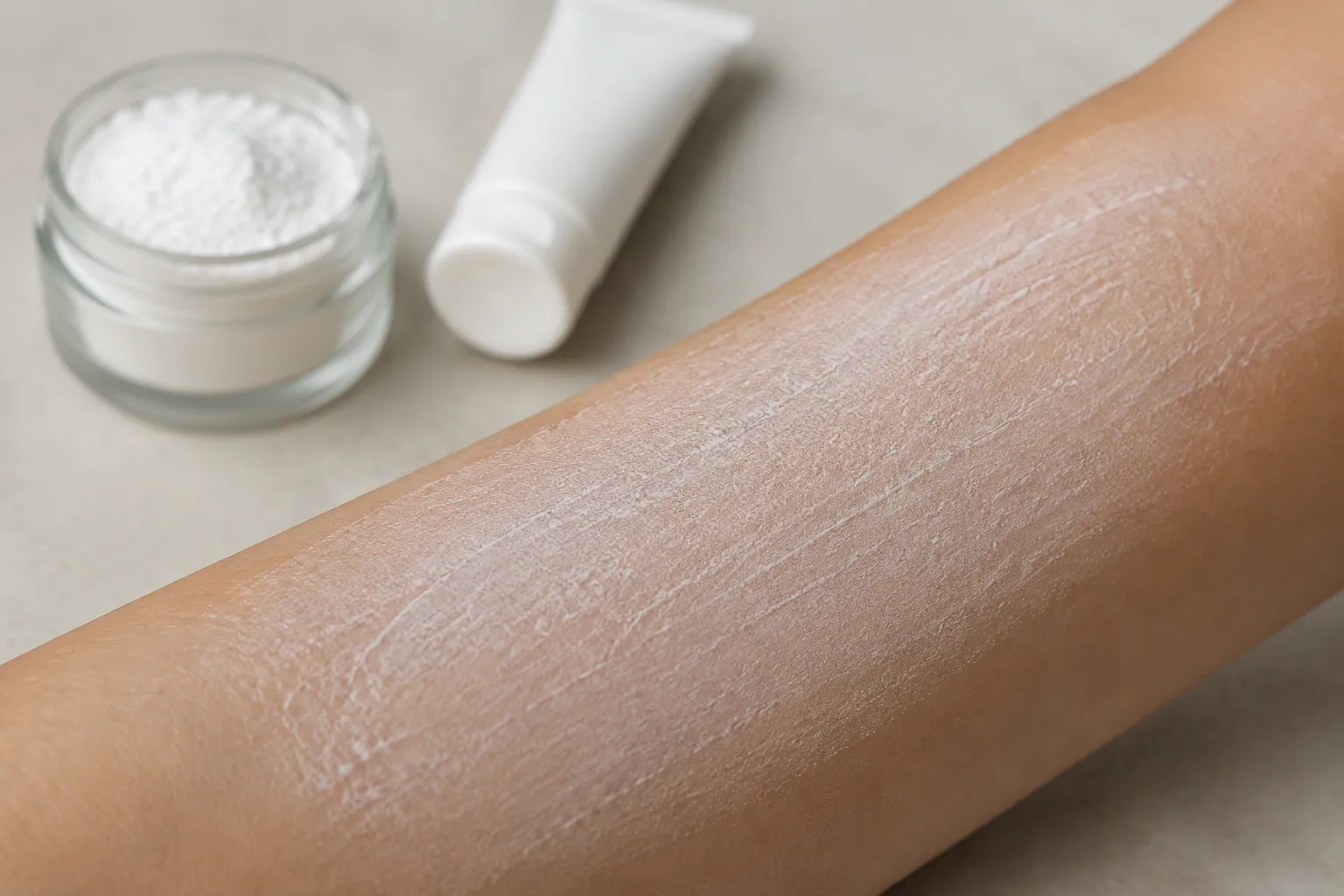
Zinc oxide is a fine white mineral powder made from zinc and oxygen. The FDA and the American Academy of Dermatology say it is a safe and effective skin protectant. This one ingredient helps your skin in several ways at the same time. It protects, soothes, heals, and calms inflammation. Dermatologists often call it a workhorse because it gives so many benefits without irritating the skin.
A Mineral Barrier on the Surface
This mineral sits on top of your stratum corneum, the outermost layer of your skin. It never enters your bloodstream. Non-nano particles stay on the surface, so your body does not absorb them. That surface film forms a physical shield. It locks moisture in and keeps irritants out.
The barrier works on a timeline. In the first eight hours, it reduces friction and calms inflammatory signals. Your skin looks less red when you wake up. Over one to four weeks, it lowers transepidermal water loss, the moisture your skin loses overnight. Post-inflammatory dark spots then fade faster. After four weeks or more, the barrier supports healthier skin architecture. Your skin becomes more resilient and breaks out less often.
Timeframe |
What Happens |
What You See |
|---|---|---|
First 8 hours |
Physical shield forms; zinc ions calm inflammation |
Less redness; skin looks calmer |
1–4 weeks |
Water loss drops; melanocyte signals quiet down |
Better hydration; dark spots fade |
4+ weeks |
Skin architecture improves; repair cycles work better |
Fewer breakouts; more even tone |
This mineral also acts as a mild astringent. It manages excess oil and visibly tightens pores. The film buffers your skin against pillow friction and airborne particles. For inflamed skin, that matters. Less physical stress means fewer flare-ups.
Zinc oxide paste or cream is a first-line treatment for nappy rash in infants. NICE Clinical Knowledge Summaries recommend barrier preparations containing zinc oxide for prevention and management of nappy dermatitis.
Antioxidant and Skin-Strengthening Effects
Zinc ions do more than sit on the surface. They support your skin's repair systems from the outside in. Zinc induces metallothionein, a protein that defends against oxidative damage. This limits tissue injury and stabilizes cell membranes.
Collagen production gets a boost too. Zinc regulates fibroblast function and the enzymes that mature collagen. The result is stronger granulation tissue and greater tensile strength. In one study, chitosan and zinc dressings increased human fibroblast proliferation by 40% through the MAPK/ERK signaling pathway. In another, zinc nanofibers at 5% w/w cut healing time by 30% by stimulating type I collagen.
Tissue regeneration follows the same pattern. Topical zinc stimulates keratinocyte division and migration. That speeds re-epithelialization, the process that rebuilds your skin barrier. Zinc also shifts immune cells toward an anti-inflammatory state. It blocks the NF-κB pathway, which reduces chronic inflammation in wounds. Your skin heals faster and with less redness.
Zinc Oxide as a Mineral UV Filter
How It Blocks UVA and UVB
The FDA says only two mineral UV filters are GRASE: non-nano zinc oxide and titanium dioxide. GRASE means Generally Recognized As Safe and Effective. This is a drug-level rule, not a cosmetic one.
The US treats sunscreens as OTC drugs, so a filter must pass a much higher GRASE evidence bar than the cosmetic standard used in the EU or Asia. That is why so few new filters have made it through.
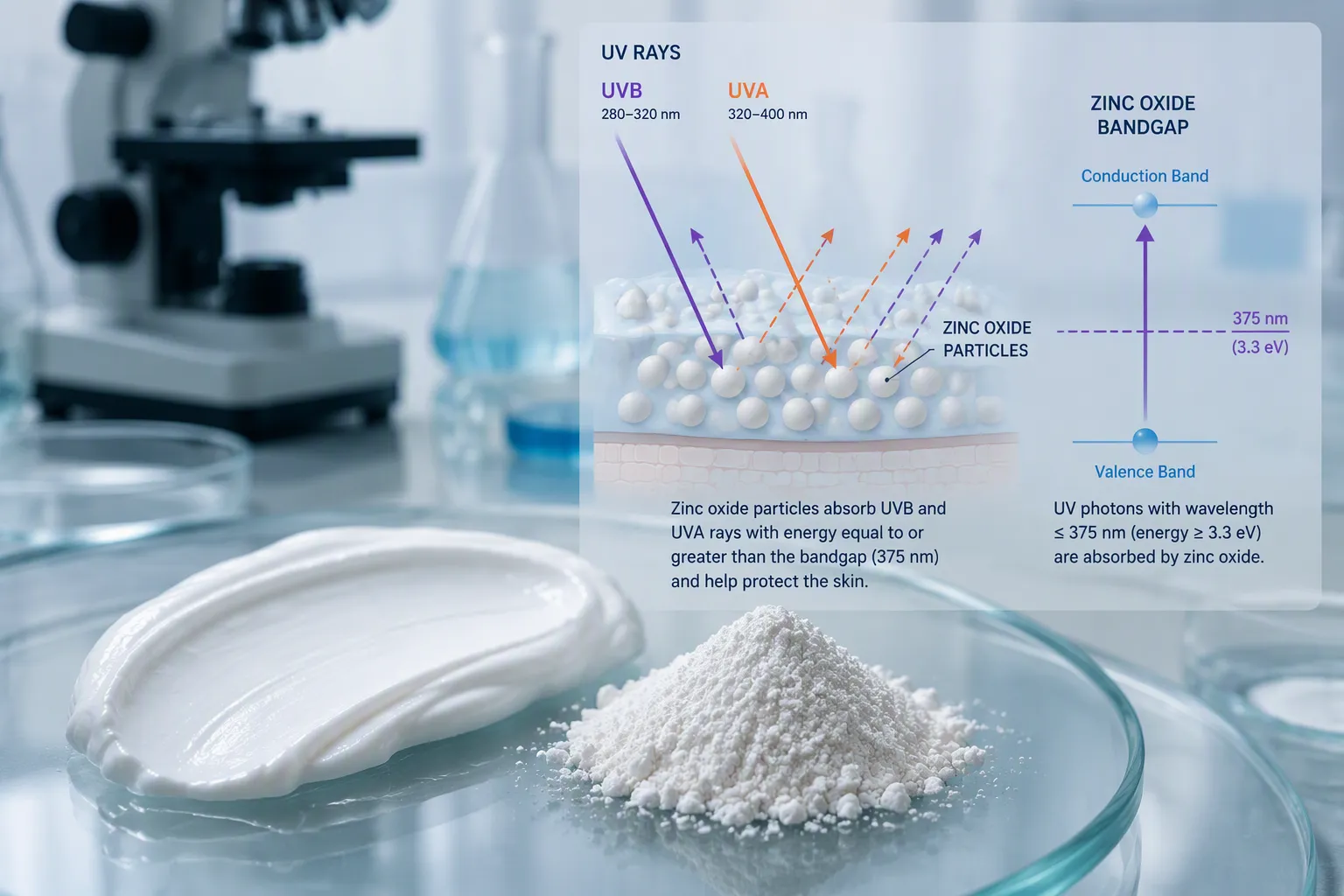
The mineral works like a semiconductor. It absorbs UV light across the UVA and UVB range. Almost the whole UV spectrum is absorbed. One active ingredient covers both bands.
You may hear that mineral sunscreen works like a mirror. That is too simple. Absorption does most of the work. Scattering plays a smaller role, and it creates the visible white cast.
Substance |
UVB |
Short UVA |
Long UVA |
Broad-spectrum alone? |
|---|---|---|---|---|
Zinc oxide |
Blocks |
Blocks |
Blocks |
Yes |
Titanium dioxide |
Blocks |
Blocks |
Underperforms |
No |
Long-wavelength UVA causes photoaging. Titanium dioxide cannot handle it alone. Zinc oxide can.
Why Sensitive Skin Tolerates It
Particle size decides how a formula looks and acts. Non-nano particles measure larger than 100 nm. They stay on your stratum corneum and cannot enter living tissue. Absorption studies show 0.0 ng/mL systemic penetration. Chemical filters are different. Oxybenzone reaches up to 209.6 ng/mL in plasma, passing the FDA's 0.5 ng/mL threshold by over 400x.
That safety record is not new. Clinicians have used zinc oxide creams for many years. It is recommended for use in infants and for sensitive skin, including eczema.
Reef safety follows the same particle-size logic. Nano particles are small enough for coral polyps to eat, and research links them to bleaching. Non-nano particles are too large to enter coral tissue, so they settle as normal sediment.
Stick, lotion, and cream formats are safe and effective formats for zinc oxide.
Acne, Oil Control, and Antimicrobial Action
Regulating Sebum and Pores
Zinc fights acne in two ways. It controls oil where it starts. It also calms swelling that makes pimples red and hurt. Topical zinc influences the pathways that regulate oil production, helping to keep sebum levels in check. This helps keep skin clearer.
This mineral also works as a mild astringent. It tightens pores and controls shine without harming your barrier. That is important for oily and combination skin. You get oil control without the tight, dry feeling harsh cleansers leave behind.
Fighting Acne Bacteria Without Resistance
Zinc has mild antimicrobial activity that can help control acne bacteria. It also changes immune signals and has known anti-inflammatory effects. The red, swollen part of a pimple is an inflammatory response, and zinc helps calm it. The table below provides some general guidelines. Seek professional care and consultation.
Topical minocycline 4% foam delivers high drug levels to the pilosebaceous unit, "thereby suppressing the emergence of resistance in C. acnes." In line with recommendations for other topical antibiotics, minocycline "is discouraged from being used as a single treatment or in combination with systemic antibiotics."
Aspect
Effect on C. acnes
Zinc has "some suppressive effect on Cutibacterium acnes"
Anti-inflammatory activity
Zinc "modulates immune signalling and has documented anti-inflammatory activity"
Sebum regulation
Zinc influences 5-alpha reductase activity, reducing DHT-driven sebum
Zinc vs. oral antibiotics
Zinc performed "somewhat less well" in head-to-head trials
One warning deserves attention. Social media trends promote "face basting" – putting strong baby diaper cream on your face overnight. Zinc oxide itself does not clog pores, but the heavy base ingredients in baby ointments, like mineral oil, petrolatum, and waxes, are very occlusive. They can cause bad acne flare-ups. Keep diaper cream where it belongs.
Soothing, Healing, and Hyperpigmentation Support
Calming Redness and Irritation
Zinc oxide calms irritated skin. It eases redness and swelling from acne, rosacea, and eczema. The mineral quiets inflammation right at the surface. Your skin looks less red within hours.
Healing works the same way. Zinc forms a protective seal on cuts, burns, and diaper rash. This seal keeps moisture in and keeps irritants out. Zinc also helps repair skin in a few ways:
It moves macrophages from a state that causes inflammation to one that helps healing.
It works as a helper for antioxidant enzymes like superoxide dismutase.
It boosts new blood vessel growth and helps skin cells move to where they are needed.
Zinc oxide supports wound healing by forming a protective seal and promoting tissue repair. In diaper creams, zinc oxide is typically present in high concentrations to create a barrier that blocks moisture, friction, and harsh enzymes in urine and feces.
Fading Dark Spots in Melanin-Rich Skin
Dark spots often begin with inflammation. Acne, eczema, and irritation cause the skin to make too much melanin. This problem affects melanin-rich skin more. Zinc oxide helps by calming the inflammation that starts these spots. Less irritation means fewer signals telling the skin to overproduce pigment.
The mineral also lowers oxidative stress on skin cells. It manages immune signals and helps the barrier repair itself. These actions create the right conditions for post-inflammatory hyperpigmentation to fade faster. The evidence does not directly measure pigment reduction, but the pathway is clear. Calm skin makes less extra melanin.
Safety matters for daily use. Zinc oxide is considered safe for sensitive and reactive skin types.
Daily Wear Strategies for Zinc Oxide
Layering With Moisturizers and Serums
You want your sunscreen to last all day. Start with the right strength. Skin doctors suggest a high zinc oxide level for everyday face sunscreen. This gives broad-spectrum protection and anti-aging perks.
Pilling occurs when you put sunscreen over too many layers. Toner, serum, gel, moisturizer, oil, and primer make a thick base. Sunscreen cannot form an even film on top. The fix is easy. Cut back on skincare layers underneath. If your sunscreen already adds moisture, you may just need a light cream first.
Follow this order for smooth use:
Wash your face, then put on serums or actives.
Let each layer dry for 1–2 minutes.
Add moisturizer, then wait until skin feels dry.
Put on sunscreen as your last skincare step.
Use a sufficient amount for face, neck, and ears.
Wait until sunscreen sets before makeup.
Stop rubbing the same spot once sunscreen starts to set. This causes rolling at your hairline, jawline, and nose.
Reapplication and Product Choice Tips
Put on more sunscreen every two hours when you are outside. For active wear, pick a water-resistant sunscreen. Dot it on and blend softly. This type works well for sensitive skin. Powder SPF or SPF setting spray goes over makeup without messing up the layer below.
Match your product to your skin need. A face sunscreen gives daily UV protection. An active acne treatment fits oily or acne-prone skin. A healing balm helps dry, cracked, or irritated skin. Zinc oxide does not clog pores by itself. Heavy carrier creams or added waxes in some formulas can cause breakouts if you use them all over your face too often. Zinc oxide has a long safety record. The FDA sees it as a safe and effective skin protectant. Stick, lotion, and cream types are safe and effective formats for zinc oxide.
Zinc oxide earns its powerhouse title by protecting, soothing, fighting germs, and helping to brighten your skin. Skin doctors praise its long safety record. It shields your skin barrier, calms redness, fights acne bacteria, and fades dark spots. Non-nano particles sit on your skin's surface without getting absorbed. This makes it safe for sensitive, acne-prone, and melanin-rich skin. Look for this mineral in your daily sunscreen or healing balm. You can feel confident using it. Smart skincare choices start with ingredients you trust. Your skin will thank you for it.
FAQ
Does zinc oxide absorb into your bloodstream?
No. Non-nano particles stay on the top of your skin. They rest on the stratum corneum and cannot go into living tissue. Absorption studies show zero systemic penetration. This makes it safe for daily use on sensitive skin, eczema, and post-procedure care.
Which skin types benefit most from this mineral?
Almost every skin type benefits. Sensitive skin handles it well. Acne-prone skin gets oil control and antibacterial action. Melanin-rich skin sees less inflammation and fewer dark spots. Dermatologists suggest it for rosacea, eczema, and weakened barriers.
Why do dermatologists trust this ingredient?
The FDA recognizes it as a safe and effective skin protectant. The American Academy of Dermatology and National Eczema Association support its use. Clinicians have trusted it for many years. Large-scale patch tests confirm it is hypoallergenic and free from sensitizing agents.
What skin benefits does it offer?
It protects against UVA and UVB rays. It soothes redness and calms inflammation. It supports wound healing and tissue repair. It controls extra oil and fights acne bacteria. It helps fade dark spots by lowering inflammation triggers.
Can you use it every day?
Yes. Daily use is safe and effective. Choose a facial sunscreen with sufficient zinc oxide for broad-spectrum protection. Reapply every two hours outdoors. Match the product to your concern: sunscreen for UV defense, acne treatment for oily skin, or healing balm for irritation.
Written by Barbara Chappuis September 19, 2026
Please note, this article is for informational purposes and does not imply medical advice.