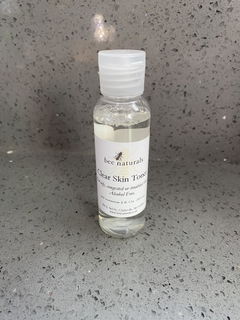


The first step to healthy skin is clean skin.
-
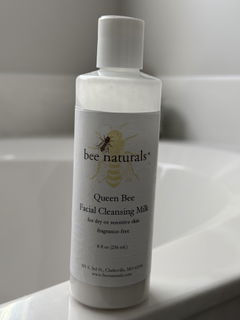
Queen Bee Facial Cleansing MilkMore sizes availableKey Benefits: Removes makeup and impurities without stripping your skin's natural moisture. Soothes sensitive skin with honey and calming allantoin. Nourishes and softens skin with natural almond oil during cleansing. Works for all skin types including dry, combination, and reactive skin. Fragrance-free formula...
- From $10
- From $10
- Unit price
- per
-
Rejuvenating Gel CleanserMore sizes availableRejuvenating Gel Cleanser is our best everyday facial cleanser. Formulated with mild exfoliating, brightening fruit acids, Centella Asiatic, strengthening panthenol, hydrating glycerin and propanediol, soothing green tea, aloe, and allantoin, this fragrance-free, non-foaming gel cleanser is suitable for all but the driest skin types....
- From $11
- From $11
- Unit price
- per
-
Calming Facial TonicMore sizes availableKey Benefits: Hydrates and refreshes skin instantly with a gentle, fragrance-free mist. Soothes dry, flushed, or irritated skin with honey and aloe. Keeps your complexion soft and dewy throughout the day. Works as a makeup primer to help foundation glide on smoothly. Safe...
- From $11
- From $11
- Unit price
- per
-
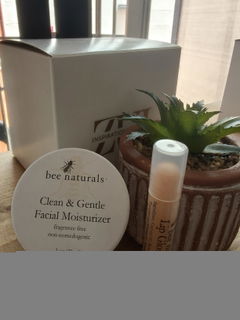
Clean & Gentle Facial MoisturizerClean & Gentle the Sensitive Skin Natural Moisturizer: Soothe and Hydrate Your Skin Without Irritating It, Even in the Summer This lightweight, non-greasy moisturizer is made with natural ingredients that are gentle on sensitive skin. It helps to hydrate and soothe your skin, leaving...
- $13
- $13
- Unit price
- per
-
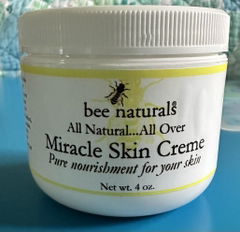
Miracle Skin CrèmeMore sizes availableKey Benefits: Deeply moisturizes dry skin with pure olive oil and beeswax. Locks in lasting hydration with a soft protective layer. Works on your face, hands, lips, and body for daily care. Soothes and softens rough, dry patches with every use. Made with natural...
- From $15
- From $15
- Unit price
- per
-
Restore I – Cleanse with Beta GlucanMore sizes availableCreme Cleanser & Makeup Remover with Beta Glucan Formulated for prematurely aged, mature, and dry skin; but it is also a great option for those with sensitive skin or those with a damaged skin barrier from aggressive facial treatments or harsh cleansers. Dry, dehydrated,...
- From $17
- From $17
- Unit price
- per
-
CC SerumMore sizes availableKey Benefits: Calms visible redness and soothes reactive skin with gentle botanicals. Evens skin tone over time without harsh or irritating ingredients. Delivers deep hydration with hyaluronic acid for softer, plumper skin. Protects sensitive skin with a lightweight, fast-absorbing formula. Works for all...
- From $18
- From $18
- Unit price
- per
-
6% Niacinamide Complex SerumKey Benefits: Hydrates skin without adding excess oil or clogging pores. Helps balance and smooth uneven skin texture over time. Lightweight formula absorbs quickly for a fresh, comfortable feel. Supports a clearer-looking complexion for all skin types. Works well under makeup or as part...
- $25
- $25
- Unit price
- per
-
Oil-Free Day CrèmeRevitalize Your Skin Revamp your skincare ritual with Bee Naturals Oil-Free Day Crème. Achieve radiant, healthy skin with our expert blend of oat powder, hyaluronic acid, and panthenol. Order now and experience the magic! *Please Note: This product is transitioning to a...
- $27
- $27
- Unit price
- per
-
Restore Barrier Night Crème with Zinc OxideKey Benefits: Supports your skin's natural overnight renewal process. Zinc oxide helps soothe and calm delicate skin. Nourishes dry or dehydrated skin while you sleep. Works well for sensitive, normal, and combination skin types. Leaves skin feeling soft and refreshed by morning. Description: Give...
- $36
- $36
- Unit price
- per
-
Queen Bee Hyaluronic Serum with Peptides & CeramidesNow with Ceramides FOR A MORE NOURISHING AND SUPPORTIVE SERUM Unlock the secret to radiant, youthful skin with our Hydration & Renewal Serum—a powerhouse formula designed to provide unparalleled hydration, smoothness, and wrinkle reduction. Infused with a potent blend of Hyaluronic Acid, Algae Extract,...
- $37
- $37
- Unit price
- per
-
Crème Luxe Intense MoistureKey Benefits: Delivers deep hydration to dry and dehydrated skin with rose and argan oils. Restores natural glow and radiance with vitamins A, C, and E. Softens fine lines and supports a smoother, more youthful appearance. Strengthens your skin barrier to lock in moisture...
- $37
$0- $37
- Unit price
- per
-
Bee Gentle Essential Skin Care SystemIntroducing our Bee Gentle Essential Skin Care System – a 360-degree skincare approach. Designed exclusively for those with Sensitive, Dehydrated, and Reactive Skin, including individuals with Rosacea or a compromised skin barrier. This comprehensive system caters to all skin types, offering a fragrance-free and non-comedogenic...
- $53
- $53
- Unit price
- per