


Guide to Skin Acids What Each One Does for Your Skin

Written by Barbara Chappuis, CEO and Formulator, Bee Naturals
Ever felt confused looking at ingredient labels full of acids you can't pronounce? Skin acids are strong ingredients. They help your skin refresh itself faster. These ingredients remove dead skin cells on the surface for a smoother look. They also provide specific benefits deeper inside the skin. How do you pick the right one for your skin's needs? Each acid targets different issues. This guide explains the science and best methods. You will learn to use skincare acids safely. You can improve skin texture and work on anti-aging goals. Add acids to your skincare routine with care. Start with a low amount and increase slowly. A good skincare routine includes daily sunscreen. Knowing your skincare products is important. A steady skincare approach gives the best results.
Key Takeaways
Skin acids exfoliate by loosening dead skin cells, which reveals brighter skin.
Use glycolic acid to improve skin texture, salicylic acid for clogged pores, and PHAs if you have sensitive skin.
Begin with low amounts and use acids 1-2 nights each week to prevent skin irritation.
Always wear sunscreen every day because acids make your skin more sensitive to the sun.
Add one acid at a time and test a small area of skin before using a new product to avoid bad reactions.
Avoid applying skin acids to other body areas without the advice of a board certified dermatologist.
How Skin Acids Work
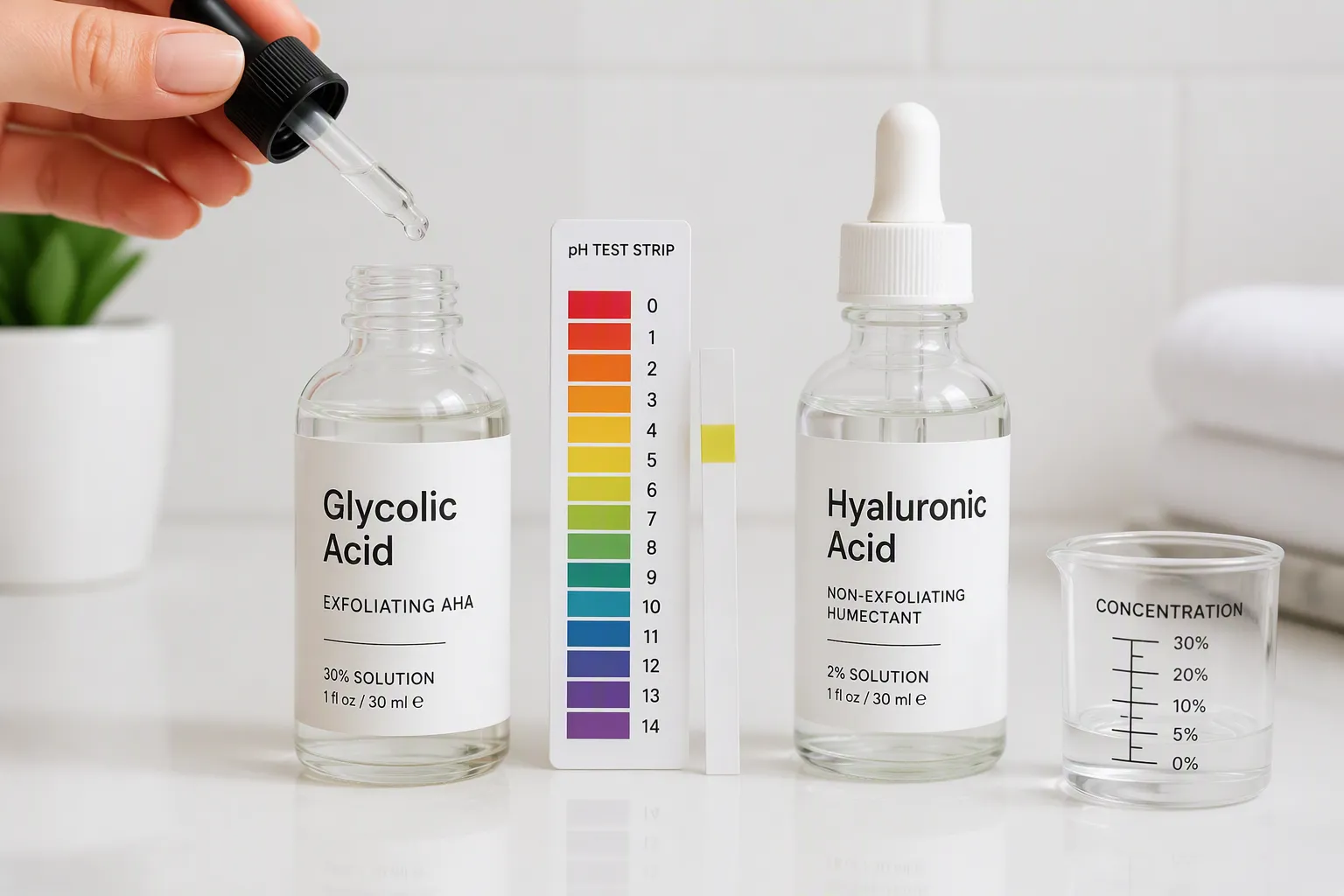
Chemical exfoliation works in a simple way. Acids loosen the bonds that hold old skin cells together on your skin's surface. When those bonds break, the dead cells fall off. This process shows newer, brighter skin below. Your skin then makes new cells at a healthier speed.
Exfoliating vs. Non-Exfoliating Acids
Not all skin acids do the same thing. Some acids exfoliate. Others add moisture or help with certain issues. Knowing this difference helps you pick the right product.
Exfoliating acids include AHAs, BHAs, and PHAs. These skincare acids actively break the links between dead skin cells. Glycolic acid, a type of AHA, works in two ways. First, it breaks up the bonds between corneocytes in the outer skin layer. Second, it boosts enzymes that break down corneodesmosomes, the protein "rivets" that hold cells together. This mix helps your skin replace cells at a healthy rate over your whole face.
Non-exfoliating acids have different jobs. Hyaluronic acid holds water and pulls moisture into your skin's top layers. It acts as a humectant, not an exfoliant. Azelaic acid helps control keratinization, which is how skin cells grow and shed. But it does not harshly dissolve the outer skin layer like glycolic or salicylic acid does. Azelaic acid actually helps your skin barrier by lowering redness and encouraging healthier cell turnover without thinning your skin.
Acid Type |
Mechanism |
Key Function |
|---|---|---|
Glycolic acid (exfoliating) |
Loosens the bonds that hold old surface cells together |
Exfoliation: releases dead cells evenly and on time |
Hyaluronic acid (non-exfoliating) |
Holds water and pulls it into top skin layers |
Humectant: draws in moisture, does not exfoliate |
The Role of pH and Concentration
pH and concentration decide how strongly any acid works. pH measures how acidic or basic a product is. Concentration measures how much acid is in the product. Both factors control the free acid value, which is the amount of active acid that can get into your skin.
For glycolic acid, the best pH range for home use is between 3.0 and 4.0. This range usually goes with a concentration of 5–10%. At this pH, the acid stays in its active form. It can break bonds between dead skin cells well while keeping irritation low. A 5% glycolic formula with a low pH of 2.8–3.0 goes deeper into the outer skin layer than higher pH versions.
The lower the pH, the more active the glycolic acid becomes. A 5% glycolic acid formula at pH 2.8–3.0 gives deeper penetration compared to higher pH formulas.
Salicylic acid works the same way. Its pKa value is 2.97. Below this pH, most salicylic acid stays in its free acid form. This form goes into pores well. At pH 4.0, about 91% stays in that form, which is still very effective. At pH 5.0, the amount drops a lot, making it less effective. The best working pH for salicylic acid products is 3.0–4.0.
Concentration matters just as much. For beginners, lactic acid works best at levels under 10%, used 1–2 nights per week. This amount keeps irritation low for new users. Glycolic acid at 7% is usually safe to use every day, but sensitive skin may need fewer uses per week. The 7–10% range makes skin smoother without causing irritation for most people.
Beginner tip: Start with lactic acid at a level under 10%, used 1–2 nights per week. This amount keeps irritation low for new users.
Higher concentration does not always mean better results. Stronger formulas raise the risk of irritation without giving extra benefits. Your skincare routine should match your skin's tolerance. Start with lower levels and build up slowly. This method lets your skin get used to it while you learn how each acid affects you.
Molecular size also affects how acids work. PHAs like gluconolactone have large molecules. They go in slowly and shallowly, giving gentle exfoliation with little stinging. AHAs like glycolic acid have small molecules. They go in deeply and quickly, giving stronger exfoliation with a higher chance of irritation. If you have sensitive skin, PHAs give a gentler start to chemical exfoliation.
When mixing skin care actives, think about how they work together. Combining glycolic acid with vitamin C in the same routine compounds irritation without proportional benefit. Instead, use them on separate days. Salicylic acid works well at night with hydrating actives.
Always add one new active at a time. This helps you know which product causes any reaction.
Your skin care actives need the right order. Apply acids to clean, dry skin first. Wait for them to soak in before adding moisturizer. This order makes sure each active reaches its target. Never mix strong actives together without testing. Your skin barrier health depends on careful, regular use.
Types of Skincare Acids
AHAs and PHAs: The Surface Renewers
Alpha-hydroxy acids, or AHAs, work on your skin's top layer. These water-soluble acids dissolve the bonds between dead skin cells. Your skin then sheds those cells more easily. This process reveals fresher skin underneath. Glycolic acid is the most common AHA. It has the smallest molecule size among skin acids. This allows it to penetrate quickly and deeply. Glycolic acid improves fine lines, dullness, and uneven tone. You will notice smoother texture after regular use. A glycolic acid serum works well for normal to combination skin. Lactic acid offers similar benefits with a gentler touch, making it ideal for dry or sensitive skin types.
Polyhydroxy acids, or PHAs, take gentleness one step further. Gluconolactone is the most common PHA. Its molecules are much larger than glycolic acid molecules. They barely penetrate beyond your skin's surface. This reduces irritation while still providing exfoliation. PHAs also attract moisture to your skin. They act as humectants, pulling water into the outer layers. This dual action makes PHAs perfect for sensitive or dehydrated skin. You get gentle exfoliation plus hydration in one product. Many dermatologists recommend PHAs as a starting point for beginners.
BHAs: The Pore Decongestant
Beta-hydroxy acids work differently from AHAs. Salicylic acid is the primary BHA used in skin care. Unlike water-soluble AHAs, salicylic acid is oil-soluble. This unique property lets it dissolve into sebum and travel down into your hair follicles. It concentrates in the sebum-rich areas where blackheads form.
Salicylic acid is a beta-hydroxy acid whose oil-soluble nature allows it to penetrate deep into pores, breaking down the cellular bonds that trap dead skin cells and excess oil.
Inside a comedone, salicylic acid acts as a desmolytic agent. It attacks corneodesmosomes, the protein "spot-welds" holding dead cells together. This loosens the compacted plug of cells and sebum. The plug then lifts and clears from your pore. A split-face study demonstrated this effect clearly. The treated side showed follicular casts reduced by approximately 47% in number and 54% in size versus the untreated side. This directly proves salicylic acid dismantles pore plugs.
Salicylic acid also breaks down excess sebum. This prevents future clogging and reduces acne formation. You should choose salicylic acid for blackheads, whiteheads, and oily skin. It penetrates through sebum to work deep inside pores. This makes it the best choice for acne-prone skin. A glycolic acid resurfacing cream works on surface texture. A salicylic acid product targets congestion below the surface. Many people use both skin care actives in rotation. You might use salicylic acid on breakout days and glycolic acid on others. This approach addresses multiple concerns without over-exfoliating. Always introduce one active at a time. Your skin needs time to adjust to each new ingredient.
How to Add Acids to Your Routine
Starting Slow and Patch Testing
A careful start keeps your skin safe. If you are new to glycolic acid, pick a mild formula and use it two to three times a week. This gives your skin time to adjust. Slowly use it more often as your skin gets used to it. For products meant for daily use, plan two to four weeks of using it every other day. Using more does not mean better results. Past a certain point, acids remove skin cells faster than your skin can make new ones. This hurts your skin's protective layer.
Patch testing stops a bad reaction on your whole face. Follow these steps for any new acid product.
Put a small amount on a clean spot on your upper forearm.
Keep that spot dry while the product stays on your skin.
After 24 hours, wash the spot with water.
If your skin gets irritated before 24 hours, wash it off right away with cool water.
After washing, watch your skin for a few days. Look for late reactions like redness, swelling, itching, or a rash.
A light, short tingle when you put it on is normal. It means the ingredient is getting into your skin. The feeling should go away quickly. If it burns or your skin stays red, that is real irritation. Do not put that product on your face.
A common mistake is using too many acids at once. Then you cannot tell which product caused the problem. Add one new active ingredient at a time. A simple routine works best for your skin.
Layering and Sunscreen Essentials
Put acids on clean, dry skin first. That is the right order in your skincare routine. Wait for them to soak in before you add moisturizer. A steady routine gives the best results.
Do not mix ingredients that clash. Using two exfoliating acids together makes irritation worse. The same goes for mixing acids with retinol or acids with vitamin C in the same routine. You do not get extra benefits. Use these on different days instead. Use a glycolic acid product on Monday and a vitamin C serum on Tuesday. You get both benefits without overloading your skin. If you are new to acids, keep it simple. Use only one active at a time.
Sunscreen is a must. AHAs and BHAs make your skin more sensitive to the sun. This lasts while you use them and for up to a week after you stop. Daily broad-spectrum sunscreen protects your fresh skin. Make sunscreen part of your daily routine.
Glycolic acid works best with sun protection. For best results, use vitamin C in the morning on some days and glycolic acid at night on other days, rather than together. This approach supports overall skin health. Using vitamin C and glycolic acid on separate days gives you both benefits.
Which Acid Is Right for Your Skin
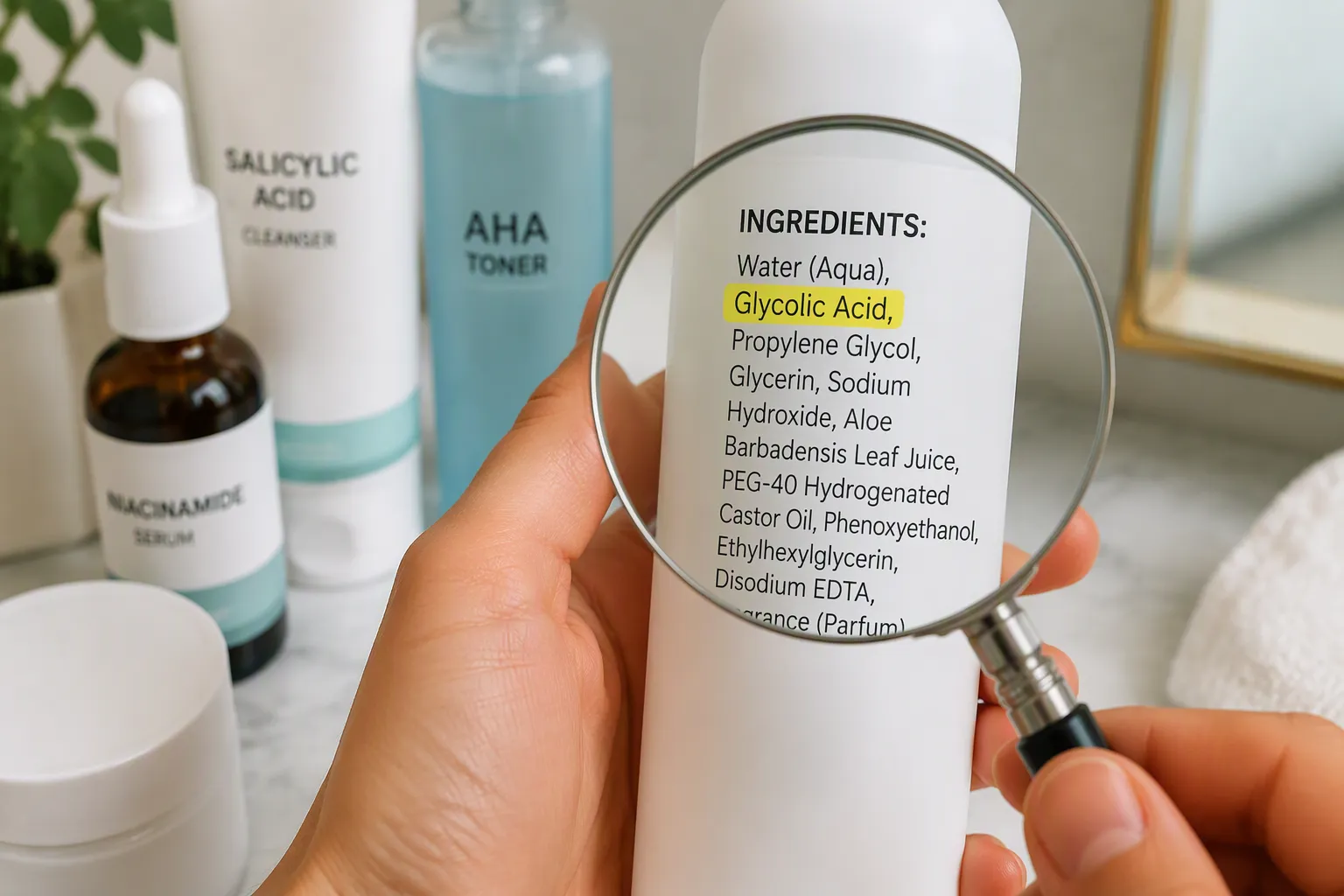
Choosing the right acid starts with identifying your primary concern. Each skin acid targets a specific problem. Matching the ingredient to your goal gives you the fastest, safest results. The table below maps common concerns to their best-fit acids.
Skin Concern |
Best Acid Choice |
Why It Works |
|---|---|---|
Dullness, rough texture, fine lines, and hyperpigmentation |
Glycolic acid or lactic acid |
Small molecules penetrate quickly, dissolving dead cell bonds for smoother, brighter skin |
Acne, blackheads, oily skin |
Salicylic acid |
Oil-soluble formula travels into pores to break up sebum plugs |
Sensitive, dehydrated, easily irritated skin |
PHA (gluconolactone) or hyaluronic acid |
Large molecules exfoliate gently while attracting moisture |
Hyperpigmentation, melasma, dark spots |
Azelaic acid |
Supports healthier cell turnover without thinning the skin |
Matching Acids to Skin Concerns
For dullness and rough patches, glycolic acid delivers the strongest resurfacing effect. A 7–10% glycolic acid serum used a few nights weekly smooths texture and brightens tone. Lactic acid offers similar benefits with less sting, making it suitable for dry skin. Both acids increase sun sensitivity, so daily sunscreen becomes non-negotiable.
Acne and breakouts respond best to salicylic acid. Its oil-soluble nature lets it dissolve into sebum and travel deep into hair follicles. There it breaks down the protein bonds holding dead cells together, clearing existing plugs and preventing new ones. For mild acne control, a salicylic acid cleanser works gently. Stronger leave-on formulas suit stubborn congestion but require careful introduction.
Sensitive or dehydrated skin needs PHAs like gluconolactone. These large molecules barely penetrate beyond the surface, providing gentle exfoliation with minimal irritation. PHAs also pull water into the skin, acting as humectants. Hyaluronic acid serves a different role entirely—it holds moisture without exfoliating at all. You can pair it with any other acid safely.
For hyperpigmentation, azelaic acid is a suitable option. It helps normalize keratinization and supports healthier cell turnover without thinning the skin. It suits sensitive skin well.
A Quick Guide to Acid Combinations
You can combine acids safely with careful planning. The key principle involves separating actives by time of day or alternating days. This approach prevents over-exfoliation while delivering multiple benefits.
For acne-prone skin, consider using salicylic acid in the morning and retinol at night on different days. This time separation reduces demand on your skin. Start with a low concentration of salicylic acid once your retinol routine is established. If your skin feels reactive, reduce salicylic acid use to a few times per week. Support your barrier with a hydrating moisturizer to offset potential dryness.
Layering acids with retinol in the same routine compounds irritation without proportional benefit.
Alternating nights works well for glycolic acid and salicylic acid. Use salicylic acid one night for acne control, then glycolic acid the next night for texture. Watch your skin rather than the calendar. Stinging, persistent redness, shiny tightness, and sudden flaking signal over-exfoliation. If your skin burns when applying a basic moisturizer, your barrier is already compromised.
Some studies show benefits of combined glycolic and salicylic acid in carefully formulated products, but attempting to recreate that effect by layering separate products easily leads to barrier disruption. Professional formulations balance pH and concentration carefully.
For anti-aging goals, use vitamin C in the morning on some days and glycolic acid at night on other days. This approach addresses both environmental damage and texture concerns without overloading the skin. Always introduce one new skin care active at a time. Give your skin weeks to acclimate before adding another. Your skincare routine should feel simple, not overwhelming. The right skin acids work quietly in the background, delivering steady improvement over time.
The world of skin acids is vast, but you do not need them all. You need the right one for your skin. Glycolic acid smooths texture. Salicylic acid clears pores. PHAs soothe sensitive skin. Each serves a distinct purpose.
Consistency and caution are your best allies. Start slow with low concentrations. Listen to your skin's response. Results appear over time, not overnight. A steady skincare routine with one active at a time protects your barrier.
Now you have the knowledge. Choose your acid confidently. Unlock your skin's healthiest potential. Pair every acid with a good moisturizer and daily sunscreen. Your skin care journey starts today.
FAQ
What does glycolic acid do, and who should use it?
Glycolic acid works on your skin's top layer. It breaks the bonds that hold dead skin cells together. This smooths your skin, fades dullness, and softens fine lines. It works best for normal to combination skin. Begin with a 5–10% strength and use it two to three times a week. Skip it if your skin is sensitive or you have active breakouts.
How is lactic acid different from glycolic acid?
Lactic acid gives similar exfoliating results but feels gentler. It is gentler, so it causes less irritation. It also pulls water into your skin. Pick lactic acid if your skin is dry or sensitive. Stay under 10% strength and use it 1-2 nights each week.
Who benefits most from salicylic acid?
Salicylic acid fights acne, blackheads, and oily skin. Because it dissolves in oil, it can slip into pores and clear out sebum plugs. Choose it if you deal with clogged pores or breakouts. Use low-concentration formulas on problem areas. Do not layer it with other exfoliating acids on the same day.
What are PHAs, and are they safe for sensitive skin?
PHAs like gluconolactone exfoliate gently. Their large molecules barely enter your skin. They also draw moisture into the outer layers. Dermatologists suggest PHAs for sensitive, dry, or easily irritated skin. They give mild exfoliation without stinging. You can use them more often than stronger acids.
What precautions apply to all skin acids?
Always test a new acid on your forearm for 24 hours before putting it on your face. Apply acids to clean, dry skin and let them absorb before moisturizing. Wear sunscreen every day because acids make your skin more sun-sensitive. Stop if you feel burning, see lasting redness, or notice flaking. Add one acid at a time.
This article is for informational purposes, only, and is not intended to diagnose or treat skin conditions. Always consult with a board certified dermatologist for guidance.
Barbara Chappuis, former R.N.. founder and formulator for Bee Naturals