


Facial Skin Health Starts With What You Eat


You might notice changes in your facial skin health every day. What you eat has a direct effect on your skin. When you choose foods rich in nutrients, you support healthy skin from the inside. Diet shapes how your skin looks and feels. You need a good diet to give your skin the best chance to glow. Topical skincare also plays a role, but nutrition forms the foundation for lasting skin health.
Hi, I'm Barbara, the founder of Bee Naturals and I've written this article because I firmly believe in nutrition, both internal and topical. It's no mystery that the essential antioxidant vitamins that fuel your body, can also improve your skin quality. Think vitamins C, E, A, Zinc, Magnesium, and so many more.
At almost 70, I run hard and fast, because I love life and run a company, but the best compliment I received, just days ago, was from an Asian woman at the restaurant I bought my dinner from; chicken and broccoli. She came over to me as I was eating to ask, 'is your meal good'?, then stated, you have beautiful skin! Wow, it made my day!
The only makeup I had on was a touch of mascara, only because I had just come from a professional meeting, and wanted to look presentable. I basically don't bother with makeup, but skincare? That's non-negotiable, and it is also simple if you pay attention to your skin. My philosophy: feed your body and feed your skin. Keep it simple with what I call C-H-M (plus P). What does this mean? Cleanse, hydrate, moisturize, and protect. Learn more about Bee Naturals CHM(P) architecture here: https://drive.google.com/file/d/1-fKoEijg74gXHho9s4lxf3YDeHGk_rDw/view
Key Takeaways
Eating healthy food helps your skin look better. Pick foods with lots of nutrients to help your skin stay healthy. Drink at least eight glasses of water every day to stay hydrated. Drinking enough water keeps your skin soft and stretchy. Add vitamins A, C, D, and E to your meals. These vitamins are important for keeping your skin healthy. Try not to eat too many processed foods or too much sugar. These foods can make skin problems like acne and dryness worse. Eat good food and follow a simple skincare routine. Wash your face, use moisturizer, and protect your skin for the best results.
Nutrition and Facial Skin Health
Diet’s Role in Skin Cell Function
What you eat changes how your skin looks and feels. Eating healthy foods gives your body what it needs for good skin. Skin cells grow and replace themselves often. They need vitamins, minerals, and water to do this. Collagen is a protein that keeps skin firm and smooth. Collagen needs vitamin C and copper to work well. These nutrients help skin stay stretchy and slow aging. https://skinhealthfoundation.org/the-role-of-nutrition-in-skin-health-foods-that-nourish-your-skin/?gad_source=1&gad_campaignid=21614980208&gbraid=0AAAAA-FSwZmxIyL90iEsjUEmOVphk5txV&gclid=CjwKCAjw5NvPBhAoEiwA_2egfgdDojNeJfLTJAbdog2xwTmlPWdqdE3syH2roXe0kkJxiqQJlQ9nKhoCoWkQAvD_BwE
Eating healthy also lowers swelling and helps skin heal. Foods with antioxidants, lean proteins, and healthy fats protect skin from damage. Drinking enough water keeps skin moist and helps it stretch. The table below shows how different foods help your facial skin:
Evidence Type |
Description |
|---|---|
Hydration Impact |
Drinking more water makes skin more hydrated. It helps both the top and deeper skin layers. |
Nutrient Role |
Vitamins C and copper help make collagen and elastin. These are important for skin strength and stretchiness. |
Dietary Influence |
Eating foods with antioxidants, lean proteins, and healthy fats helps skin heal and lowers swelling. |
Negative Dietary Effects |
Eating lots of sugar and processed foods can make skin problems like acne and swelling worse. |
Biomechanical Properties |
More water helps skin stretch better and bounce back after being pressed. |
You can see that food choices matter for your facial skin. Skincare products help, but nutrition gives your skin what it needs.
Signs of Poor Nutrition on the Face
If you don’t eat enough healthy foods, your face can show it first. Bad nutrition can make skin look dull, cause pimples, or make you look older. Doctors say some skin problems are linked to what you eat. Here are some signs:
Pimples or acne can mean stomach problems or food allergies.
Dry or flaky skin can happen from not getting enough nutrients or water.
Eczema or psoriasis flare-ups may be linked to stomach health and food allergies.
Rashes or redness can mean your immune system reacts to stomach issues.
Slow healing or sensitive skin can happen if your body lacks nutrients for skin repair.
Ensure that you consume enough high quality protein for your body mass, generally 3 grams/kg of body weight, daily, which roughly translates to 0.3-0.5 grams per pound of ideal body weight, whether from plant or animal sources.
If you see these skin problems, check your diet. Eating healthy foods helps your skin and lowers swelling. Good nutrition and skincare together keep your skin looking nice and slow aging.
Key Nutrients for Skin
Your facial skin needs the right nutrients to stay healthy. Eating the right foods helps your skin stay strong and clear. Good nutrition and skincare together help your skin look its best. https://pmc.ncbi.nlm.nih.gov/articles/PMC12626168/
Essential Vitamins (A, C, E, D)
Vitamins are important for keeping your skin healthy. Each vitamin helps your skin in a different way. If you do not get enough vitamins, your skin may change. You might see rashes or dry spots. The table below shows how each vitamin helps your skin and where to find them:
Vitamin |
Role |
Food Sources |
|---|---|---|
Vitamin C |
Essential for collagen synthesis, supports skin elasticity and firmness. |
Citrus fruits, berries, leafy greens |
Vitamin E |
Protects skin from oxidative damage, enhances healing. |
Nuts, seeds, avocados |
Vitamin A |
Crucial for skin cell turnover, helps shed dead skin cells for a glowing complexion. |
Carrots, sweet potatoes, spinach |
Vitamin D |
Supports skin barrier function and immune defense. |
Sunlight, fortified milk, eggs |
Not getting enough vitamins A, C, D, or E can cause rashes or dry skin. Eating fruits, vegetables, and healthy fats every day helps your skin.
Tip: Try to add colorful fruits and leafy greens to your meals. These foods have antioxidants that protect your skin and help keep it stretchy.
Important Minerals (Zinc, Selenium)
Minerals like zinc and selenium are important for skin health. Zinc helps your body make new skin cells and protects your skin. Selenium works with zinc to keep your skin clear and prevent problems.
If you do not get enough zinc or selenium, you may notice:
Hair loss
Red rash around your mouth
Rough or dry skin
Slow healing
More infections
Acne
Skin swelling
You can get zinc from oysters, pumpkin seeds, and beans. Selenium is found in Brazil nuts, eggs, and whole grains. Eating nuts and seeds gives you minerals and healthy fats that help your skin.
Here is a table that shows how these nutrients work together:
Nutrient |
Role in Skin Health |
Interaction with Other Nutrients |
|---|---|---|
Vitamins A, C, E |
Combat oxidative stress, enhance collagen synthesis, support immune regulation |
Work together to improve skin hydration and elasticity |
Zinc |
Promotes collagen synthesis, protects against oxidative stress |
Supports copper and magnesium |
Selenium |
Protects skin from damage, supports immune function |
Works with vitamin E |
Copper |
Helps with collagen and elastin cross-linking, keeps skin firm |
Works with zinc for better skin elasticity |
Healthy Fats and Hydration
Healthy fats help your skin stay soft and moist. Omega-3 fatty acids are found in fish, walnuts, and flaxseeds. These fats help your skin hold water and lower swelling. They also keep your skin barrier strong.
Drinking enough water is just as important as eating the right foods. Water helps your skin stay plump and stretchy. Most experts say to drink at least eight glasses of water each day. This is called the "8x8 rule." You may need more water if you are active or live in a hot place.
Drink at least eight glasses of water every day.
Change your water intake based on your activity, age, and climate.
Note: Eating foods with healthy fats and drinking enough water helps your skin stay hydrated and glowing.
A diet with vitamins, minerals, healthy fats, and water supports facial skin health. Food alone cannot give you perfect skin, but nutrition helps your skin heal and protect itself. Use a balanced diet and good skincare for the best results.
Foods for Healthy Skin
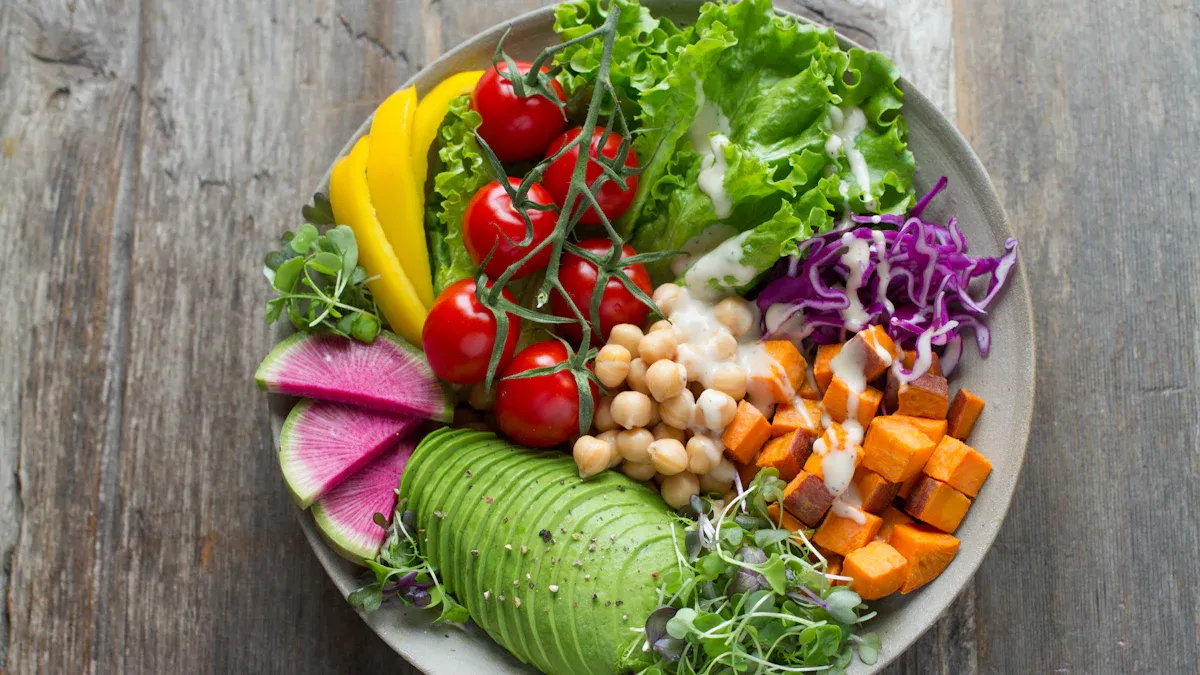
Best Foods for Facial Skin Health
You can help your skin by eating the right foods. A diet with lots of nutrients helps your skin look young and fresh. Eating fruits and vegetables every day keeps your skin hydrated and fights aging. Many foods help your skin stay moist and safe from harm.
Here is a table that lists some top foods for your skin and what they do:
Food |
Key Benefit |
Nutritional Benefits |
|---|---|---|
Tomatoes |
Helps skin stay moist and look better |
Lycopene, vitamin C |
Walnuts |
Lowers swelling, helps skin work well |
Omega-3 fatty acids, vitamin E |
Chia Seeds |
Keeps skin moist, lowers swelling |
Omega-3s, fiber |
Greek Yogurt |
Helps with pimples and swelling, supports gut-skin health |
Probiotics, protein |
Green Tea |
Protects skin, lowers swelling |
Antioxidants, polyphenols |
Fatty Fish |
Keeps skin barrier strong, lowers swelling |
Omega-3 fatty acids, high-quality protein |
Antioxidant Berries |
Boosts collagen, protects from sun damage |
Vitamin C, anthocyanins |
Avocados |
Keeps skin soft, fights aging |
Healthy fats, vitamin E, vitamin C |
Leafy Greens |
Helps skin cells grow, keeps skin moist |
Folate, vitamin A, vitamin C, iron |
Nuts and Seeds |
Helps skin heal and stay safe |
Vitamin E, zinc, healthy fats |
Tip: Try adding tomatoes, berries, and leafy greens to your meals. These foods help your skin stay soft and bright.
Foods to Limit or Avoid
Some foods can hurt your skin and make it age faster. You should eat less of these foods to keep your skin clear and healthy:
Dairy can cause pimples by making your skin oily.
White bread and sugary cereals can cause breakouts.
Sugar hurts collagen and elastin, causing more swelling and dryness.
Fried and processed foods have bad fats and preservatives that cause swelling.
Alcohol dries out your skin and makes wrinkles easier to see.
Eating the right foods and drinking enough water helps your skin stay moist and look good. Nutrition and skincare together give you healthy, glowing skin.
Practical Tips for Facial Skin Health

Daily Eating Habits
You can support facial skin health by making smart choices every day. Start with hydration. Drink 8–10 glasses of water to keep your skin elastic and clear. Choose foods that help your skin, like leafy greens, berries, fatty fish, and nuts. These foods give you antioxidants, omega-3s, and vitamins. Pick real, whole foods instead of processed snacks. This helps your body use nutrients better.
Try to avoid foods that spike your blood sugar, such as white bread and sugary cereals. These can lead to more breakouts and faster aging. Add colorful fruits and vegetables to your meals for extra vitamins and antioxidants. If you notice that dairy causes acne, reduce your intake. Include healthy fats, like those in walnuts and salmon, to lower inflammation and keep your skin soft.
Tip: Along with good nutrition, follow a simple skincare routine. Wash your face gently twice a day, use a moisturizer, and apply sunscreen every morning. This protects your skin from dryness and sun damage.
Sample Meal Ideas
You can plan meals that give your skin what it needs. Here are some ideas:
Breakfast: Greek yogurt with blueberries and sunflower seeds. This meal gives you probiotics, vitamin C, and healthy fats.
Lunch: Spinach salad with walnuts, sliced strawberries, and grilled salmon. You get antioxidants, omega-3s, and vitamin E.
Snack: A handful of almonds or pumpkin seeds. These foods help repair skin and support hydration.
Dinner: Lemon pepper salmon with roasted sweet potatoes and steamed broccoli. This meal provides omega-3s, vitamin A, and fiber.
These meals use a mix of fruits, vegetables, nuts, and fatty fish. They help your skin stay hydrated, fight signs of aging, and look healthy. Remember, both what you eat and how you care for your skin topically matter. Combine smart food choices with a gentle skincare routine for the best results.
You now know that what you eat affects your facial skin. Foods with antioxidants, omega-3 fatty acids, and vitamins help your skin stay healthy and bright. Drinking enough water keeps your skin soft and stretchy. You can help your skin by:
Picking fruits, vegetables, and whole grains for vitamins and antioxidants.
Drinking water every day to keep your skin hydrated.
Eating fewer processed foods and snacks with lots of sugar.
Remember, eating healthy foods and taking care of your skin every day helps your skin look its best. Make small changes and see your skin get healthier.
FAQ
What foods help your facial skin look its best?
You can eat berries, leafy greens, fatty fish, and nuts. These foods give your skin vitamins, healthy fats, and antioxidants. They help your skin stay soft and bright.
Can you get clear skin with food alone?
You need both good nutrition and a simple skincare routine. Eating healthy foods helps your skin from the inside. Washing, moisturizing, and using sunscreen protect your skin on the outside.
How much water should you drink for healthy skin?
Most experts say you should drink at least eight glasses of water each day. Water keeps your skin moist and helps it stretch. You may need more if you exercise or live in a hot place.
Which foods should you avoid for better skin?
Sugary snacks
Fried foods
Processed meats
Dairy (if it causes breakouts)
These foods can make your skin oily or cause pimples. Choose whole foods for clearer skin.