


How You Can Spot and Treat Oily Dehydrated Skin in 2026


Ever look in the mirror and wonder why your skin feels tight but still looks shiny by noon? You are not alone. Many people have trouble spotting and treating oily dehydrated skin. It can seem confusing at first. You might think your skin needs more oil control. But that often causes more dryness and discomfort. Here is the truth:
Dry skin is a permanent skin type, but dehydration is temporary and can be fixed.
Using harsh oil-control products can make things worse.
The best way is to use water-based humectants like hyaluronic acid and gentle, non-comedogenic moisturizers.
With the right knowledge and products, you can restore comfort and balance to your skin.
Key Takeaways
Oily dehydrated skin feels tight but looks shiny. It needs water, not more oil control.
Use hydrating and balancing serums containing hyaluronic acid and niacinamide. These help your skin stay balanced.
Do not use harsh cleansers or wash your face too much. This can make your skin more dry and oily.
Drink enough water every day. Eat healthy foods with vitamins and omega-3s.
Have a regular skincare routine. Always use sunscreen to keep your skin safe.
Spotting Oily Dehydrated Skin
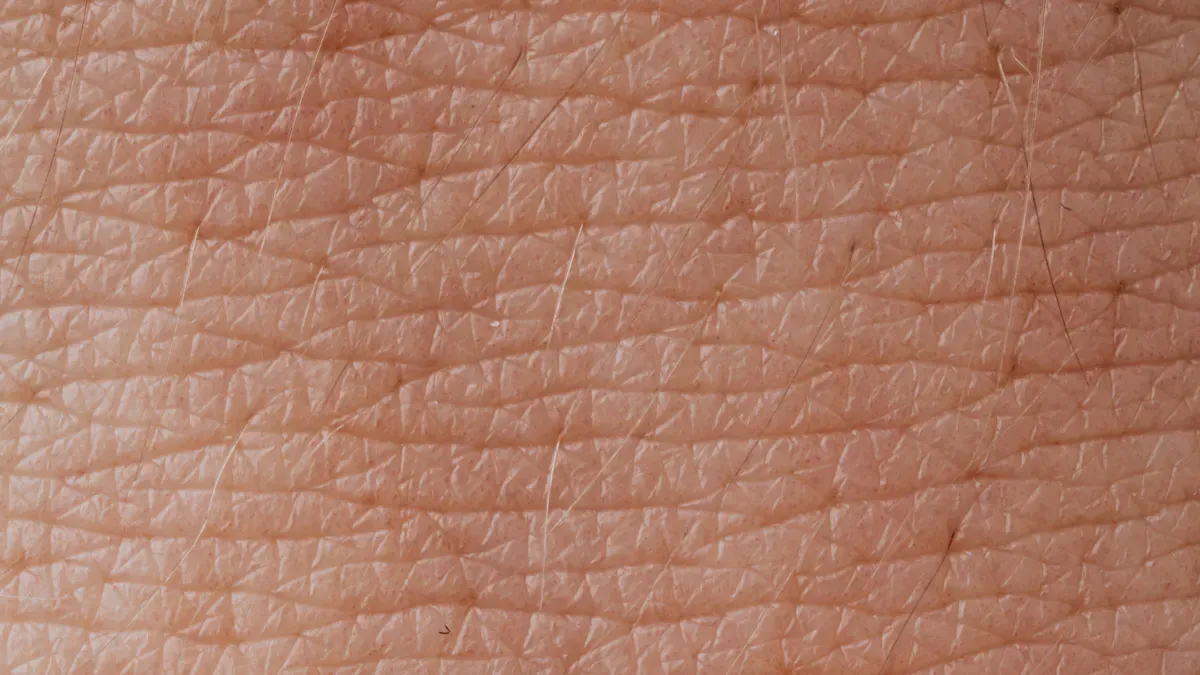
Do you see signs that make you think you have oily dehydrated skin? Noticing these clues can help you know what your skin needs. Let’s look at the main signs and some easy ways to check at home.
Key Signs to Look For
Oily dehydrated skin can show up in different ways. You might see more redness, dull skin, and big pores on your nose, cheeks, or chin. Your skin can feel tight or sore but still look shiny or greasy. Some studies say this skin type has bigger pores, deeper wrinkles, and looks less bright, even with extra oil.
Sometimes, your skin may not feel as sensitive as usual. You might not notice pain or itching as much. You could see more fine lines, bigger pores, and more porphyrins, which make skin look shinier.
Differences from Other Skin Types
It is easy to mix up oily dehydrated skin with oily or dry skin. Oily skin makes more sebum all the time and looks shiny but does not always feel tight. Dry skin feels tight and itchy but does not look shiny or have big pores. Oily dehydrated skin looks oily but feels tight and uncomfortable. It can look dull but still have shiny spots.
If you press a tissue on your face after washing, you might see oil in some spots, like your T-zone. But your skin may also feel rough or tight.
Simple At-Home Checks
You do not need special tools to check your skin. Try these easy tests at home:
Tissue Paper Test: Press a clean tissue on your face an hour after washing. If you see oil in some spots but your skin feels tight or flaky in others, you may have oily dehydrated skin.
Mirror Examination: Look at your skin in natural light. Check if it looks dull, has big pores, or uneven shine. Dullness with oiliness means your skin is dehydrated.
Skin Stretch Test: Gently pinch and pull the skin on your cheek or jaw. If it feels tight and does not stretch well, your skin is dehydrated. If it stretches easily, your skin is well hydrated, even if it is oily.
Knowing the signs of oily dehydrated skin helps you pick the right skincare. With some care and attention, you can make your skin feel and look better.
Causes of Oily Dehydrated Skin
Common Triggers
Your skin can be oily and dehydrated at the same time. This happens when your skin loses water but still makes oil. When your skin gets dry, it tries to protect itself. It does this by making more oil.
When your skin does not have enough water, its barrier gets weak. Then your skin makes more oil to help with the missing moisture. This causes extra shine on your skin, even if it feels tight or rough underneath.
You might see more oil on your face, but your skin still feels dry or uncomfortable. This means your skin is trying to fix the problem by making more oil.
Environmental and Lifestyle Factors
Many things you do every day can make oily dehydrated skin worse. Weather changes, like hot summers or cold winters, can hurt your skin. Pollution and wind can also damage your skin’s barrier and make it lose water faster.
Weather, pollution, and seasons can change how much oil your skin makes and how well it keeps water.
Bad weather or eating unhealthy food can make your skin produce more oil and cause problems like acne.
If you eat a lot of junk food or do not drink enough water, your skin may get oilier and more dehydrated. Stress and not sleeping enough can also make things worse.
Skincare Mistakes
Some habits can make oily dehydrated skin harder to handle. Here are common mistakes and what they do:
Skincare Mistake |
Consequence |
|---|---|
Overusing acne products |
Can cause dryness, irritation, and more sensitivity. |
Using harsh products |
Harsh ingredients can cause redness, dryness, and more sensitivity. |
Ignoring your skin type |
Can lead to too much oil or very dry, irritated skin. |
Insufficient or excessive exfoliation |
Can clog pores or take away natural oils, causing dryness and irritation. |
Washing your face too much or using strong cleansers can take away natural oils. This makes your skin even more dehydrated. Not using moisturizer can also make your skin produce more oil to try to stay hydrated.
When you know these causes, you can make better choices for your skin and avoid mistakes that lead to oily dehydrated skin.
Treating Oily Dehydrated Skin
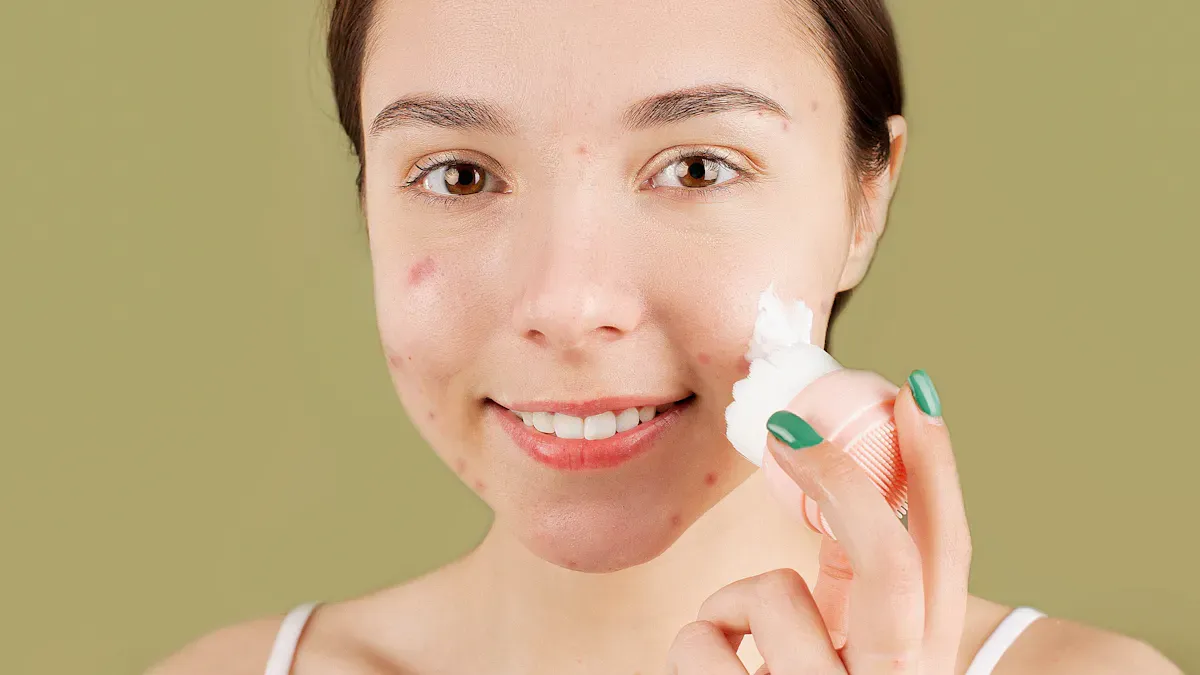
It can feel hard to care for oily dehydrated skin. But you can help your skin with the right steps. At Bee Naturals, we know oily skin is not always healthy or hydrated. Let’s see what can help your skin feel better.
Best Ingredients to Use
Pick ingredients that add water but do not make skin greasy. Some help balance oil and water. Others fix your skin barrier. Here is a table that shows what each ingredient does:
Ingredient |
What It Does |
|---|---|
Hyaluronic Acid |
Pulls water into your skin, keeps it soft, and reduces dryness. |
Niacinamide |
Strengthens your skin barrier and lowers oil production. |
Retinol |
Speeds up cell turnover and smooths skin texture. |
Peptides |
Boosts skin elasticity and helps repair damage. |
Salicylic Acid |
Clears pores and controls breakouts. |
Folic Acid |
Balances hormones and protects against free radicals. |
Algae Extract |
Absorbs extra oil and keeps skin balanced. |
Allantoin |
Calms redness and lowers oil production. |
Growth Factors |
Tightens pores and keeps skin looking young. |
Ceramides |
Repairs your skin barrier and stops moisture loss. |
Bakuchiol |
Balances hormones and reduces oil, especially for menopausal skin. |
Squalane |
Hydrates without clogging pores. |
Green Tea Extract |
Lowers oil production and keeps skin calm. |
Hyaluronic acid is great for adding water to your skin. Studies show it helps both oily and dry skin. Niacinamide makes your skin barrier stronger and helps lower oil.
Products and Routine Tips
You do not need lots of products. Just use ones that help with water and oil. Here is a simple routine you can try:
-
Morning Routine
Wash with a gentle cleanser.
Use a toner to balance your skin.
Put on a light serum with hyaluronic acid or niacinamide.
Use an oil-free moisturizer.
Always use sunscreen.
-
Night Routine
Some products work well for oily dehydrated skin. Restore II gives water without making skin oily. Restore I Cleansing Creme is gentle and keeps your skin barrier strong. Bee Naturals Rejuvenating Gel Cleanser has fruit acids to lower oil and refresh your skin.
Tip: Test new products on a small spot before using them everywhere.
Ingredients to Avoid
Some things can make oily dehydrated skin worse. Stay away from things that dry or irritate your skin. Here is a table to help you know what to avoid:
Ingredient |
Negative Effects on Oily Dehydrated Skin |
|---|---|
Sulfates |
Causes dryness, redness, itching, and breakouts. |
Parabens |
May disrupt hormones and increase irritation. |
Synthetic Fragrances |
Can trigger allergic reactions and photosensitivity. |
Heavy creams or ointments can trap oil and cause bumps or acne. They can also make your skin itchy if it is sensitive.
Note: Do not use harsh scrubs or strong exfoliators. They can make your skin lose water and feel worse.
If you use gentle cleansers, hydrating serums, and light moisturizers, your skin can stay balanced. With time and the right care, you can help oily dehydrated skin.
Lifestyle and Diet for Healthy Skin
Hydration and Nutrition
You might not realize how much water your skin needs every day. Drinking at least eight glasses of water helps your body flush out toxins. This keeps your skin clear and bright. Water also helps your skin stay elastic and smooth. If you do not drink enough, your skin can look dull and feel tight.
Eating the right foods makes a big difference, too. Try to add these nutrients to your meals:
How It Helps Your Skin |
|
|---|---|
Omega-3 Fatty Acids |
Keeps skin soft, reduces redness and irritation |
Vitamin A |
Repairs skin, fights acne and signs of aging |
Niacin (Vitamin B3) |
Strengthens skin barrier, keeps moisture in |
Vitamin D |
Supports healthy skin, lowers inflammation |
Vitamin E |
Fights damage, helps skin heal |
Zinc |
Calms skin, helps control oil |
A balanced diet with fruits, veggies, nuts, and fish can help your skin stay hydrated and less oily.
Stress and Sleep
Stress can show up on your skin fast. When you feel stressed, your body makes more oil. This can lead to clogged pores and breakouts. Stress also makes your skin lose water, so it feels dry and irritated. If you want your skin to look its best, try to relax with deep breaths, walks, or fun hobbies.
Sleep is just as important. Not getting enough sleep can make your skin lose moisture and look dull. Poor sleep raises your stress hormone, which can cause more oil and redness. Try to get seven to nine hours of sleep each night. Good sleep helps your skin repair and stay healthy.
Tip: Set a bedtime routine. Turn off screens, dim the lights, and relax before bed. Your skin will thank you!
Habits to Avoid
Some daily habits can make oily dehydrated skin worse. Watch out for these:
Washing your face too much or using harsh cleansers can strip away natural oils. This makes your skin produce even more oil and lose water.
Skipping moisturizer because your skin feels oily can actually make dehydration worse.
Drinking lots of caffeine or alcohol dries out your skin and makes it more sensitive.
Smoking, pollution, and too much sun can damage your skin and make it harder to stay hydrated.
If you stick to gentle skincare, eat well, and get enough rest, you can help your skin stay balanced and healthy.
You can spot oily dehydrated skin by looking for shine, tightness, and dry patches. Here’s what dermatologists suggest:
Notice shiny skin and tightness after washing.
Check for dry spots and breakouts.
Use gentle cleansers, hydrating serums, and light moisturizers.
Apply sunscreen every day.
Stay patient and stick with your routine. Over time, you’ll see softer, smoother skin with less oil and fewer breakouts. If your skin still struggles, a professional can help you find the best plan.
FAQ
What is oily dehydrated skin?
Oily dehydrated skin feels tight or rough but looks shiny. You may see oil on your T-zone but still notice dry patches. This skin type needs water, not more oil control.
Can I use oil-free products if my skin is oily and dehydrated?
Yes! Oil-free, hydrating products work best. Look for lightweight moisturizers with hyaluronic acid or niacinamide. These help your skin hold water without making it greasy. Exfoliate gently to keep pores open to allow oil to flow and moisture to be absorbed by the skin.
How often should I wash my face?
Wash your face twice a day—morning and night. Use a gentle cleanser. Over-washing can strip your skin’s natural oils and make dehydration worse.
Will drinking more water help my skin?
Drinking water helps your whole body, including your skin. It keeps your skin looking fresh and feeling soft. Pair water with a good skincare routine for the best results.
Should I avoid sunscreen if I have oily dehydrated skin?
Never skip sunscreen! Choose a lightweight, oil-free formula. Sunscreen protects your skin from damage and helps keep it healthy.