


Acne Care for Teens

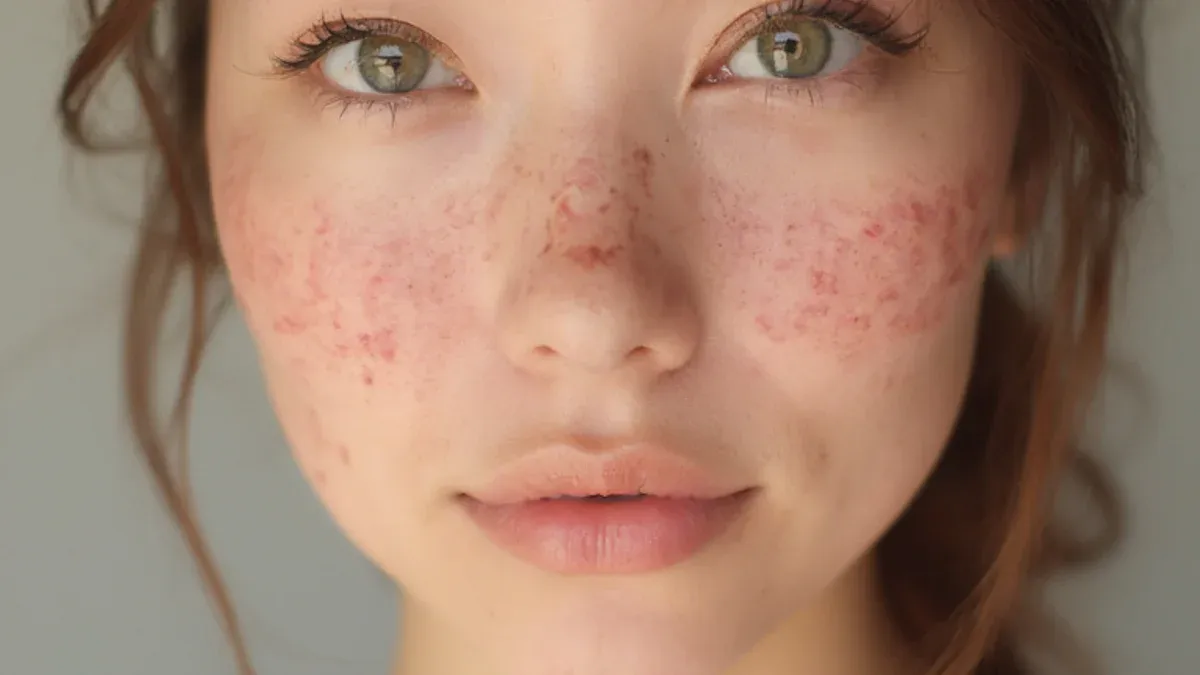
You might wonder what really helps with teen acne. The best results come from a steady, gentle skincare routine and support from people around you. Almost everyone deals with acne at some point—
93.3% of teens report having it.
You may see acne blackheads whiteheads pustules, but you can manage them.
Tip: Stick with your routine for at least 6 to 8 weeks. Don’t switch products too soon. Patience and support make a big difference.
Key Takeaways
Stick to a gentle skincare routine for at least 6 to 8 weeks to see results. Patience is key in managing acne.
Identify and avoid common acne triggers like stress, high-sugar foods, and not washing your face after sweating.
Different types of acne require different treatments. Know your acne type to choose the right products for effective care.
Why Teens Get Acne
Hormones and Skin Changes
You might notice your skin changing a lot during your teen years. That’s because your body starts making more hormones, especially androgens. These hormones tell your skin’s oil glands to work harder. When your skin makes more oil, it can mix with dead skin cells and block your pores. This is how acne blackheads whiteheads pustules often start to show up.
During puberty, your body’s androgen levels rise.
These hormones make your skin’s oil glands produce more sebum (oil).
Extra oil can clog pores, leading to acne blackheads whiteheads pustules.
Clogged pores create a perfect spot for bacteria to grow, which can cause red bumps and pimples.
Note: It’s normal for your skin to change during this time. You’re not alone if you see new spots or bumps.
Common Triggers
Besides hormones, other things can make acne worse. Some triggers are part of daily life, but knowing about them helps you take better care of your skin.
Stress can make your skin produce even more oil, which may lead to more breakouts.
Eating lots of high-sugar foods, like candy or soda, can raise your blood sugar and boost oil production.
Dairy products, especially skim milk, have been linked to more acne in some teens.
The Western diet, with lots of processed foods, can also play a role.
Not washing your face after sweating or touching your face often can add to the problem.
If you pay attention to these triggers, you can help manage acne blackheads whiteheads pustules and keep your skin healthier.
Types of Acne: Blackheads, Whiteheads, Pustules
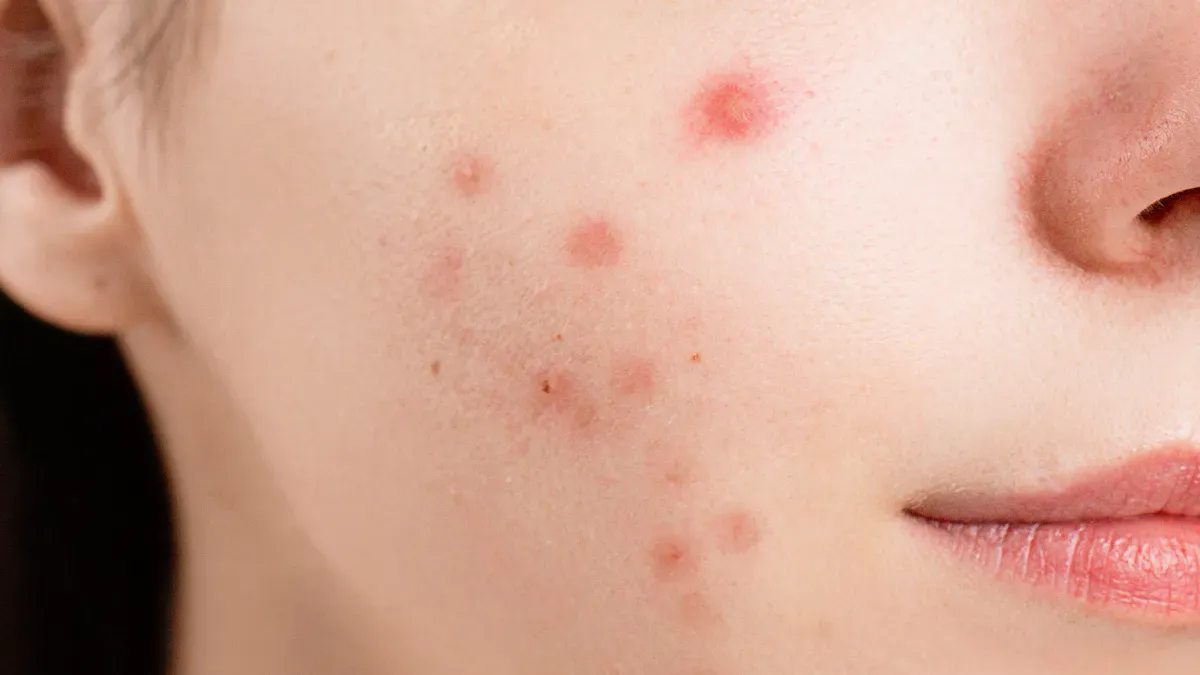
You might see different kinds of bumps on your skin. Not all acne looks the same or needs the same care. Some spots stay small and don’t hurt, while others get red and sore. Let’s break down the main types you might notice.
Type |
Appearance Description |
Underlying Cause |
|---|---|---|
Blackheads |
Open pores clogged with extra oil; dark top from pigment (melanin) |
Oil and dead skin block pores near the surface; air turns the top dark |
Whiteheads |
Closed pores clogged with oil; look like small white bumps |
Oil and dead skin block pores but stay closed, so no air gets in |
Papules |
Small, skin-colored bumps that make your skin feel bumpy |
Blocked pores without pus; not inflamed |
Pustules |
Red bumps that may have a yellow or white center (pus) |
Infected clogged pores; your body reacts to bacteria, causing redness and pus |
You might hear people talk about acne blackheads whiteheads pustules. These words describe what you see and feel on your skin. Each type happens for a different reason, so you need to know what you’re dealing with before you pick a treatment.
Comedonal Acne: Blackheads and Whiteheads
Comedonal acne means you have blackheads and whiteheads. These bumps usually don’t hurt or look red. Blackheads are open at the top, so air gets in and turns them dark. Whiteheads stay closed, so they look like tiny white or flesh-colored dots. You often find these on your forehead, nose, or chin.
Blackheads and whiteheads form when oil and dead skin block your pores.
They don’t get red or swollen.
Your skin might feel bumpy, but not sore.
If you have mostly comedonal acne, you can try products with retinoids or azelaic acid. These help clear out your pores and stop new bumps from forming. Sometimes, your skin might look a little worse before it gets better. That’s normal. Stick with your routine, and you’ll see smoother skin over time.
Tip: Don’t squeeze or pick at blackheads and whiteheads. This can make things worse and cause scars.
Inflammatory Acne: Pustules and Papules
Inflammatory acne looks and feels different. You might see red bumps or pimples that hurt when you touch them. Pustules have pus inside, so they look like red spots with a yellow or white center. Papules are small, raised bumps that don’t have pus but still feel tender.
Inflammatory acne happens when clogged pores get infected with bacteria.
Your body reacts by making the area red, swollen, and sometimes painful.
These spots can show up anywhere on your face, chest, or back.
If you notice more red, sore bumps, you might need stronger treatments. Doctors often suggest using topical creams with benzoyl peroxide or antibiotics. For more serious cases, you might need oral antibiotics or other medicines. It’s important to treat inflammatory acne early to prevent scars.
Note: Different types of acne blackheads whiteheads pustules need different care. Talk to your doctor if you’re not sure what type you have or if your skin isn’t getting better.
Why Knowing the Type Matters
You might wonder why it’s important to know the difference. The answer is simple: each type of acne blackheads whiteheads pustules responds best to certain treatments. When you match your care to your skin’s needs, you get better results and feel more confident.
Comedonal acne: Try retinoids, azelaic acid, or gentle exfoliants.
Inflammatory acne: Use benzoyl peroxide, topical antibiotics, or see a doctor for oral medicine if needed.
Remember, you don’t have to figure this out alone. Ask for help if you need it. With the right plan, you can manage acne blackheads whiteheads pustules and keep your skin healthy.
Daily Skin Care Routine
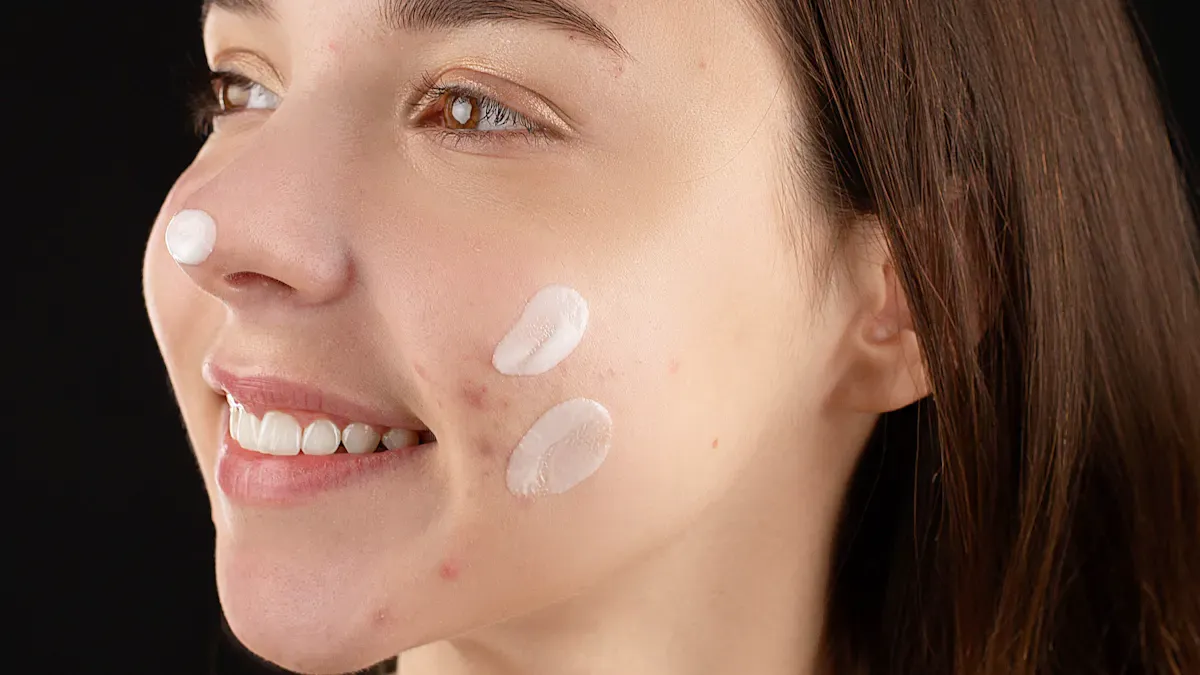
A good daily routine can make a big difference when you want to manage acne blackheads whiteheads pustules. You don’t need fancy products or a long list of steps. What matters most is being gentle, consistent, and picking the right products for your skin.
Cleansing and Gentle Care
Start and end your day by washing your face. Use a gentle, foaming cleanser made for acne-prone skin. Look for ingredients like salicylic acid, turmeric, or niacinamide. These help clear pores, calm redness, and keep your skin balanced.
Salicylic acid helps clear acne and shrink blackheads.
Turmeric soothes your skin and fights germs.
Niacinamide controls oil and reduces redness.
Ingredient |
What It Does |
|---|---|
Salicylic Acid |
Clears acne, reduces blackheads, improves pores |
Turmeric |
Soothes, calms active acne, fades dark marks |
Niacinamide |
Regulates oil, minimizes pores, reduces redness |
Wash your face with lukewarm water. Pat your skin dry with a soft towel. Don’t scrub hard or use rough washcloths. Overwashing or scrubbing too much can make acne blackheads whiteheads pustules worse.
Tip: Cleanse your face after sweating, like after sports or gym class.
Using Acne Treatments (Retinoids, Benzoyl Peroxide, Salicylic Acid)
After cleansing, you can use treatments that target acne blackheads whiteheads pustules. The main options are retinoids, benzoyl peroxide, and salicylic acid. Each works in a different way.
Treatment |
How It Works |
Best For |
Possible Side Effects |
|---|---|---|---|
Benzoyl Peroxide |
Inflammatory acne |
Dryness, redness, peeling |
|
Retinoids |
Unclog pores, reduce inflammation, prevent new breakouts |
Blackheads, whiteheads, all acne |
Dryness, irritation, sun sensitivity |
Salicylic Acid |
Clears pores, mild anti-inflammatory |
Mild acne, blackheads |
Dryness, redness |
Use benzoyl peroxide in the morning to fight bacteria and prevent new pimples.
Try a retinoid at night if you have stubborn blackheads or whiteheads.
Salicylic acid works well for mild acne and can be used once or twice a day.
Start with a small amount and see how your skin reacts. If you feel stinging or see redness, use the product less often. Always follow the instructions on the label.
Note: If your skin gets too dry or irritated, take a break or use the treatment every other day.
Moisturizer and Sunscreen
Many people think moisturizers cause breakouts, but your skin needs moisture—even if you have acne. Pick a lightweight, oil-free moisturizer labeled “non-comedogenic.” This means it won’t clog your pores.
Use a moisturizer with sunscreen in the morning. Look for SPF 30 or higher.
At night, use a gentle moisturizer with ceramides or hyaluronic acid to help your skin heal.
Products like Bee Naturals 6% Niacinamide Serum works well because it soothes, regulates, protects and hydrates without feeling greasy.
Sunscreen is a must. Sun damage can make acne scars darker and slow down healing. Choose a broad-spectrum sunscreen that’s oil-free and made for acne-prone skin.
Tip: Apply sunscreen every morning, even on cloudy days or if you stay indoors.
What to Avoid
Some habits and products can make acne blackheads whiteheads pustules worse. Here’s what you should skip:
Don’t wash your face more than twice a day. Overwashing strips natural oils and can cause more oil production.
Avoid harsh scrubs or rough washcloths. These can irritate your skin and cause tiny cuts.
Don’t skip moisturizer. Dry skin makes your body produce more oil, which can lead to more breakouts.
Using too many products at once can cause redness and peeling.
Never pop or squeeze pimples. This can push bacteria deeper, cause more swelling, and leave scars.
Not wearing sunscreen can make acne marks worse and increase your risk of skin damage.
Remember: Simple and gentle is best. Stick to a routine and give your skin time to adjust.
By following these steps every day, you give your skin the best chance to heal and stay healthy. Consistency is key. If you’re not sure which products to use, ask a parent, school nurse, or dermatologist for help.
Lifestyle and Habits
Diet and Nutrition
What you eat can affect your skin more than you might think. Foods high in sugar, like candy and soda, often make acne worse. High-glycemic diets, which include white bread, chips, and sugary drinks, have been linked to more oil production and inflammation. Check out this table to see what recent studies found:
Study |
Findings |
Sebum Production |
Inflammatory Markers |
|---|---|---|---|
Baldwin and Tan |
High-GI diets linked to acne severity |
35% |
45% |
Roengritthidet et al. |
Correlation between high-GI diets and acne |
N/A |
N/A |
Meixiong et al. |
High sugar intake linked to more acne |
N/A |
N/A |
Eating lots of dairy, fatty foods, and spicy snacks can also raise your risk. Try to fill your plate with fruits, vegetables, and fish. These foods may help protect your skin and keep breakouts away.
Stress and Sleep
Stress can sneak up on you and make acne worse. When you feel stressed, your body releases hormones that boost oil production and cause inflammation. School changes, exams, or even social worries can raise your stress levels. Not getting enough sleep also makes your skin more sensitive and prone to breakouts.
Stress increases oil and inflammation in your skin.
Lack of sleep can make acne worse.
Emotional stress may lead to feelings of embarrassment or anxiety.
Tip: Try activities like meditation, deep breathing, or exercise to help manage stress and support your skin.
Hygiene Tips
Good hygiene helps keep your skin clear. Use gentle products made for acne-prone skin. Wash your face with soft motions—don’t scrub hard. Avoid picking or popping pimples, since this can cause scars and infection.
Choose gentle cleansers and moisturizers.
Stay hydrated by drinking water throughout the day.
Focus on fresh foods and whole grains.
Manage stress with healthy habits.
Seek help from a dermatologist if your acne doesn’t improve.
Remember, small changes in your daily routine can make a big difference for your skin.
Emotional Support for Teens
Acne affects more than just your skin. It can make you feel embarrassed, shy, or even lonely. Many teens with acne say they feel less confident. You might notice it’s harder to make friends or join in activities. Sometimes, you may even want to hide or avoid social events. These feelings are common, and you’re not alone.
Building Self-Esteem
You can take steps to boost your self-esteem while managing acne. Here are some ideas:
Treat your acne seriously. Taking care of your skin can help you feel better about yourself.
Notice if you feel sad or down for a long time. Talk to someone you trust if you do.
Try to lower your stress. Activities like drawing, listening to music, or spending time outside can help.
Ask your parents to let you talk to your dermatologist alone. This can help you feel more in control of your care.
Many teens feel embarrassed or shy because of acne, but treating it and talking about your feelings can help you feel stronger.
Coping with Social Pressure
You might feel pressure to have perfect skin. Social media and friends can make this worse. Remember, most people deal with acne at some point. If you feel anxious or left out, try these tips:
Join a support group or talk to friends who understand.
Learn about acne so you know it’s a medical condition, not your fault.
If you feel very upset, talking to a counselor can help you cope.
Family and Peer Support
Support from family and friends makes a big difference. Parents can help by:
Listening without judging.
Reminding you gently about your treatment, but not nagging.
Watching for signs of sadness or stress.
Encouraging you to talk about your feelings.
You deserve kindness and understanding. With support, you can face acne and feel good about yourself.
When to See a Dermatologist
You might wonder if you need to see a dermatologist for your acne. Sometimes, home care is not enough. A skin doctor can help you get better results and feel more confident.
Signs Professional Help Is Needed
Here are some signs that you should make an appointment with a dermatologist:
You have tried over-the-counter treatments for six to eight weeks, but your acne is not getting better.
Your acne makes you feel sad, embarrassed, or stops you from doing things you enjoy.
You notice deep, painful bumps or cysts under your skin.
You see scars or dark marks starting to form.
Your acne is moderate to severe and does not go away.
You feel your self-esteem or social life is affected.
If you check off any of these, it’s a good idea to ask for help. You are not alone—many teens see a dermatologist and get great results.
What to Expect from Treatment
Your first visit might feel a little scary, but it’s actually pretty simple. Here’s what usually happens:
The dermatologist will ask about your health, family history, and what you’ve tried so far.
They will look at your skin closely, sometimes using a special tool.
You will talk about your concerns and goals. The doctor will explain your options, like prescription creams, pills, or other treatments.
Most teens who see a dermatologist try more than one treatment. About 84% say their skin gets better with professional help. You will also get advice on how to care for your skin at home. Many teens feel happier and more confident after getting the right treatment.
Don’t wait if you need support. A dermatologist can help you find a plan that works for you.
You can manage acne by sticking to a gentle routine, using the right products, and avoiding picking at your skin. Support from family and friends helps you feel stronger. Talking with your doctor makes a big difference. Early treatment prevents scars and boosts your confidence. Remember, you’re not alone.
FAQ
How long does it take for acne treatments to work?
You usually see results in 6 to 8 weeks. Stick with your routine and give your skin time to heal.
Can makeup make acne worse?
Yes, some makeup can clog pores. Choose products labeled “non-comedogenic” or “oil-free” to help prevent breakouts.
Should you stop eating chocolate if you have acne?
You don’t have to quit chocolate. Most people can eat it in moderation. Focus on a balanced diet for healthy skin.