


8 Simple Daily Habits to Keep High Blood Pressure in Check

You might feel overwhelmed when you hear about high blood pressure, but you can manage it with simple daily habits. Did you know that about 1.4 billion adults worldwide, or one in three people aged 30 to 79, live with high blood pressure? Small, steady changes—like eating more potassium-rich foods, getting enough sleep, and moving your body—can help lower your numbers. Research shows that stress management, home monitoring, and regular exercise all play a role. Healthy Tips For Managing High Blood Pressure can fit into your routine, and even a few changes can make a real difference.
Do you even know if you have high blood pressure? It's never to soon to monitor your baseline blood pressure, especially if it runs in your family, or you have other risk factors. High blood pressure is called the silent killer, because it often has no symptoms.
There has been much debate about what is a normal, or healthy blood pressure level, but the current consensus is that 120/ 70-80 is best. There are many thing you can do to control your blood pressure, instead of, or in addition to medication, including 'excercise snack's (Dr. Brad Stanfield)
Key Takeaways
Eat a balanced, low-sodium diet rich in fruits, vegetables, and whole grains to help lower blood pressure and protect your heart. Avoid processed foods as much as possible, that's where most sodium is hidden in our diets.
There is a genetic component to sodium tolerance, meaning some people are more sensitive to excess sodium intake than others. Increasing potassium intake can help offset the negative effects of excess sodium intake.
Move your body daily with activities like walking, cycling, or yoga to strengthen your heart and reduce stress.
Lose extra weight gradually by making small changes like drinking water instead of sugary drinks and eating more vegetables.
Limit alcohol and quit smoking to quickly improve your blood pressure and heart health.
Manage stress and get good sleep by practicing deep breathing, meditation, and keeping a regular sleep schedule to keep your blood pressure in check.
Eat for Heart Health
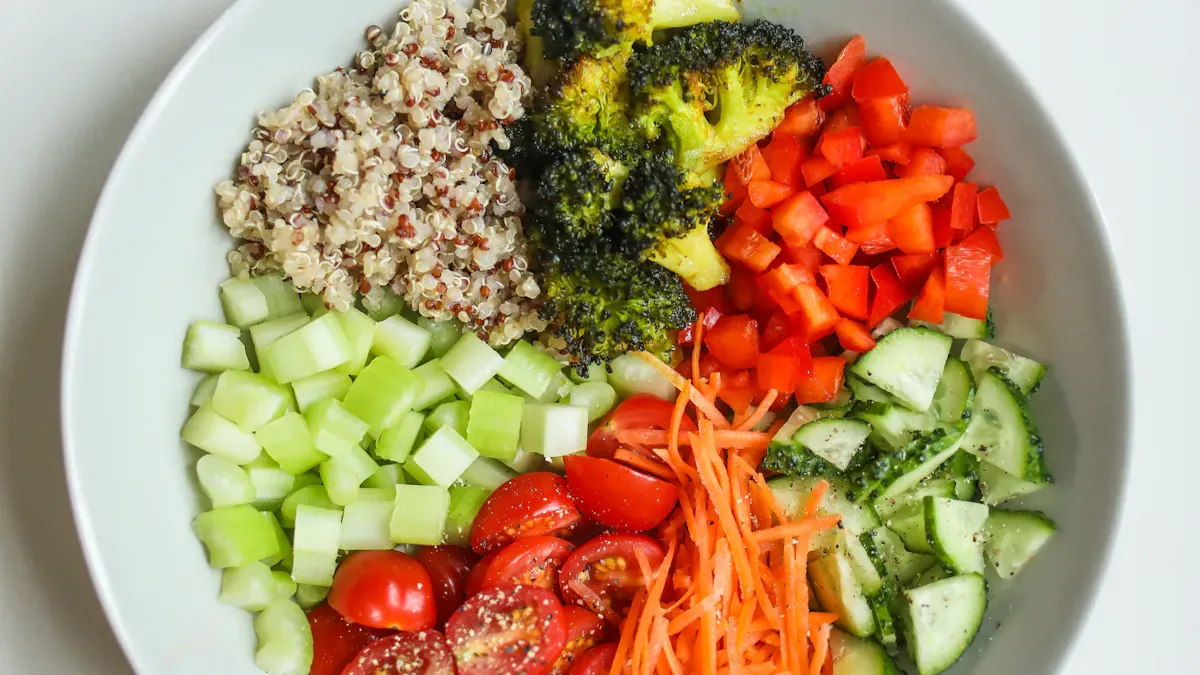
You can take charge of your blood pressure by making smart food choices every day. A balanced, low-sodium diet helps your heart work better and keeps your blood vessels healthy. When you eat less salt, your blood pressure numbers often drop and stay lower over time. Many people find it easy to stick with these changes, and they notice fewer heart problems and symptoms.
DASH Diet Basics
The DASH diet stands for Dietary Approaches to Stop Hypertension. Doctors and scientists recommend it because it works for people of all ages. Here’s why the DASH diet helps:
Many studies show that following the DASH diet lowers blood pressure.
Eating less sodium can reduce blood pressure and help your body’s systems work better.
The DASH diet encourages you to eat more potassium, calcium, magnesium, and vegetables. These nutrients support a healthy heart.
Kids and teens who follow the DASH diet also see better blood pressure numbers.
People who stick to DASH principles have a lower risk of heart disease.
Tip: Try swapping salty snacks for fresh fruit or unsalted nuts. Add more veggies to your meals, and choose whole grains when you can.
Portion Control and More Produce
Eating the right amount matters just as much as what you eat. You don’t have to make huge changes all at once. Start by adding an extra serving of vegetables or fruit to your plate. Clinical trials show that diets rich in fruits and vegetables, like the DASH and Mediterranean diets, lower blood pressure and protect your heart.
Diet |
What Happens When You Eat More Fruits & Veggies? |
|---|---|
DASH Diet |
Blood pressure drops compared to a typical Western diet. |
Mediterranean Diet |
Lower risk of heart disease and high blood pressure. |
Aim for less than 6 grams of salt each day, and eat potassium and magnesium rich foods, too (unless you have kidney disease). Consult with your doctor.
Try to get at least 350 grams of vegetables and 200 grams of fruit daily.
Choose smaller portions of high-calorie foods and fill up on produce.
Small steps add up. You’ll feel better, and your heart will thank you!
Move Every Day

Staying active is one of the best things you can do for your blood pressure. When you move your body, your heart gets stronger and pumps blood with less effort. This helps your blood pressure numbers go down. You do not need to run marathons or join a fancy gym. Small steps each day can make a big difference.
Walking and Exercise
You can start with something as simple as walking. Just five extra minutes of brisk walking, cycling, or even dancing can help lower your blood pressure. Studies show that people who add a little more movement to their day see real changes. For example, adding five minutes of exercise-like activity each day can lower your systolic blood pressure by almost one point. Sitting for long periods, on the other hand, can make your blood pressure go up.
Tip: Try parking farther from the store, taking the stairs, or walking your dog a little longer. Every bit counts!
Doctors recommend about 150 minutes of moderate activity each week. That is just over 20 minutes a day. You can break it up into short walks or fun activities you enjoy. The key is to keep moving and make it part of your routine.
Yoga and Deep Breathing
Exercise is not just about moving your muscles. Calming your mind also helps your heart. Yoga and deep breathing can lower your blood pressure and help you feel less stressed. Many people find that slow, steady breathing or gentle yoga stretches help them relax. Some studies show that people who practice yoga or meditation can lower their blood pressure by several points. In fact, some people even manage their blood pressure without medicine by using relaxation techniques.
You do not need to be an expert. Try a simple breathing exercise: Breathe in slowly for four counts, hold for four, then breathe out for four. Repeat a few times. You might feel calmer right away.
Remember, every bit of movement and relaxation helps your heart stay healthy!
Healthy Weight Loss
Why Weight Matters
Carrying extra weight puts more strain on your heart and blood vessels. Even a small amount of weight loss can make a big difference for your blood pressure. When you lose just 5 to 10 pounds, you help your heart work less hard. You might notice your numbers drop after only a few weeks of healthy changes.
Here’s what researchers have found about weight and blood pressure:
Weight Change |
What Happens to Blood Pressure? |
Correlation Strength |
|---|---|---|
Weight Gain |
Moderate to strong |
|
Weight Loss |
1 kg lost = SBP drops by 1.1 mmHg, DBP drops by 0.9 mmHg |
N/A |
Over Time |
Strong link between weight change and BP, especially in men |
N/A |
Tip: Losing just 5 kg (about 11 pounds) can lower your systolic blood pressure by around 4.4 mmHg and your diastolic by about 3.6 mmHg. That’s almost as much as some blood pressure medicines!
Small Changes, Big Impact
You don’t need to make huge changes overnight. Simple steps can help you lose weight and keep it off. Try these ideas:
Swap sugary drinks for water or unsweetened tea.
Fill half your plate with vegetables at lunch and dinner.
Take a short walk after meals.
Eat slowly and stop when you feel full.
Choose whole grains instead of white bread or rice.
Many people find that following the DASH or Mediterranean diet helps them lose weight and lower blood pressure. These eating plans focus on fruits, vegetables, lean proteins, and healthy fats.
Strategy |
How It Helps Blood Pressure |
|---|---|
Weight Loss |
Each kg lost lowers BP by about 1 mmHg |
DASH Diet |
Can lower systolic BP by 8–14 mmHg |
Mediterranean Diet |
You can also try joining a group or using an app for support. Some people like remote coaching or peer support to stay motivated. Remember, every small step counts. You’re not alone on this journey!
Limit Alcohol & Tobacco
Alcohol and Blood Pressure
You might not realize how much alcohol can impact your blood pressure. Even light or moderate drinking can raise your numbers. If you stop drinking, your blood pressure can drop in a meaningful way. Small changes in how much you drink can help you manage your blood pressure every day.
Drinking more than 40 grams of alcohol daily links to a higher risk of hypertension.
The more you drink, the greater your chance of having high blood pressure.
Cutting back or quitting alcohol can lower your blood pressure and help your heart.
Doctors recommend that men stick to no more than two drinks a day. Women should aim for just one. If you find it hard to cut back, try swapping alcohol for sparkling water or herbal tea. You can also plan alcohol-free days each week.
Tip: If you notice your blood pressure creeping up, try tracking your drinks for a week. You might spot patterns that help you make healthier choices.
Quit Smoking Tips
Tobacco use makes your blood pressure rise almost right away. Nicotine activates your nervous system and pushes your numbers up. Chewing tobacco also causes long-term increases in blood pressure. If you smoke, stopping can help your heart and blood vessels recover.
Mechanism |
Effect on Blood Pressure |
|---|---|
Inhalation of nicotine |
Raises diastolic blood pressure and mean arterial pressure |
Chewing tobacco |
Causes long-term increases in blood pressure |
Acute cigarette smoking |
Boosts blood pressure and heart rate |
Chronic smoking |
Longer smoking means higher systolic blood pressure |
Smoking cessation |
Lowers blood pressure within one week |
Quitting smoking gives you quick benefits. Your heart rate and blood pressure start to improve in just 20 minutes. Over weeks, your circulation and lung function get better. If you worry about gaining weight after quitting, focus on healthy snacks and regular activity.
Try nicotine patches or gum if you need help.
Ask your doctor about support programs.
Set a quit date and tell your friends for extra motivation.
Note: Stopping smoking makes other healthy habits work even better. You’ll feel the difference fast!
Manage Stress
Stress and Blood Pressure
Stress can make your heart work harder. When you feel stressed, your body reacts fast. Your brain tells your body to release special chemicals called catecholamines. These chemicals make your heart beat faster and tighten your blood vessels. Your blood pressure goes up. If you stay stressed for a long time, your body also releases a hormone called cortisol. This hormone keeps your body alert, but it can keep your blood pressure high if stress does not go away. Over time, this can hurt your heart and blood vessels.
Did you know? Short bursts of stress help you react quickly, but chronic stress can lead to high blood pressure and even heart disease.
Simple Stress Relief
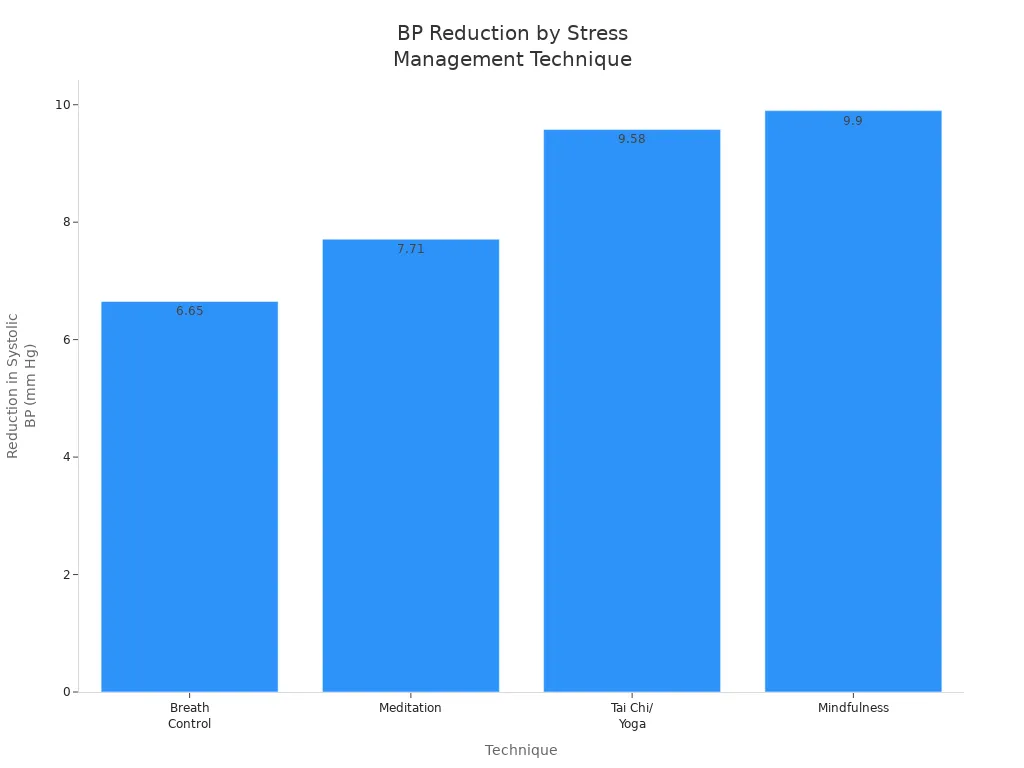
You can take control of stress with a few easy habits. Many people find that deep breathing, meditation, or gentle movement helps them feel calm. These habits do not take much time, but they can lower your blood pressure by several points.
Technique |
Reduction in Systolic Blood Pressure (mm Hg) |
|---|---|
Breath Control |
6.65 |
Meditation |
7.71 |
Tai Chi/Yoga |
9.58 |
Mindfulness |
9.90 |
Try these simple ideas to relax:
Take slow, deep breaths. Breathe in through your nose, hold for a few seconds, then breathe out slowly.
Set aside five minutes for quiet meditation. Sit still and focus on your breath.
Practice gentle yoga or tai chi. These movements help your body and mind relax.
Notice your thoughts and feelings without judging them. This is called mindfulness.
Tip: Even a few minutes of relaxation each day can help lower your blood pressure. You might notice you feel calmer and sleep better, too.
Sleep Well
Sleep and Heart Health
You might not realize how much your sleep affects your blood pressure. When you don’t get enough good-quality sleep, your body can’t rest and repair like it should. Over time, this can make your blood pressure go up and stay high. Studies show that people who work night shifts or have trouble sleeping often have higher rates of hypertension. If you sleep too much or too little, your nervous system and hormones can get out of balance. This can lead to more inflammation in your body and keep your blood pressure high.
Poor sleep quality, like what shift workers experience, links to more cases of high blood pressure.
Sleeping too long or not enough can both raise your risk for hypertension.
Bad sleep can mess with your body’s natural blood pressure patterns and make your heart work harder.
Did you know? Just adding 30 minutes of sleep if you usually get less than 6 hours can lower your systolic blood pressure by up to 14 points!
Better Sleep Habits
You can take steps to improve your sleep and help your heart. Most adults need 7 to 9 hours of sleep each night for the best health. Regular sleep helps your body keep a normal rhythm and lets your blood pressure dip at night, which is good for your heart.
Try these simple habits to sleep better:
Go to bed and wake up at the same time every day—even on weekends.
Create a calm, dark, and cool bedroom.
Turn off screens like phones and TVs at least 30 minutes before bed.
Avoid caffeine in the afternoon and evening.
Make a relaxing bedtime routine, like reading or listening to soft music.
Tip: If you have trouble falling asleep, try deep breathing or gentle stretches before bed. Small changes can help you sleep better and keep your blood pressure in check.
Monitor at Home
Why Track Blood Pressure
You can take charge of your health by checking your blood pressure at home. Home monitoring gives you a clear picture of how your numbers change throughout the day. You don’t have to wait for doctor visits to see if your blood pressure is under control. Many people find that tracking at home helps them spot patterns and make better choices.
Here’s what makes home blood pressure monitoring so helpful:
Benefit |
Description |
|---|---|
Ease of use |
Devices are simple to operate, so you can use them without help. |
Repeated measurement capability |
You can check your blood pressure as often as you want, giving you more information. |
Cost-effectiveness |
Home monitoring saves money compared to frequent clinic visits. |
Long-term monitoring ability |
You can track your numbers over weeks or months, which helps you manage hypertension. |
Identification of BP phenotypes |
Home checks reveal hidden patterns like white coat or masked hypertension. |
Prediction of cardiovascular risks |
Home readings predict heart risks better than office measurements. |
Improved BP control rates |
People who monitor at home often keep their blood pressure in a healthier range. |
Home monitoring uncovers hidden blood pressure problems that doctors might miss.
You get involved in your own care, which makes you feel more confident and motivated.
The American Heart Association recommends home monitoring for everyone with high blood pressure. It helps your doctor see if your treatment is working and confirms your diagnosis.
How to Self-Monitor
You can get accurate readings at home by following a few simple steps. Start by choosing a reliable monitor. Ask your doctor or pharmacist to check your device for accuracy.
Best Practice |
Description |
|---|---|
Device Selection |
Have your health care professional check your monitor for accuracy. |
Preparation |
Avoid smoking, caffeine, and exercise for 30 minutes before checking. |
Measurement Technique |
Remove clothing from your arm. Sit with your back straight and feet flat. Support your arm at heart level. |
Timing |
Measure at the same time each day. Take two or three readings and average them. |
Record Keeping |
Write down your numbers in a journal or use an app to track your progress. |
Empty your bladder before checking.
Rest quietly for five minutes before you start.
Keep your monitor clean and store it safely.
Tip: If your numbers seem high or low, check again after a few minutes. Share your readings with your doctor at each visit.
You can spot changes early and make adjustments with your doctor’s help. Home monitoring gives you peace of mind and helps you stay on track.
Healthy Tips For Managing High Blood Pressure
Medication Consistency
You play a big role in keeping your blood pressure under control. Taking your medicine every day helps your heart stay strong and lowers your risk of problems. If you skip doses or forget, your blood pressure can go up and cause trouble. Doctors see that people who stick to their medicine plan feel better and avoid trips to the hospital.
Check out what studies show about medication consistency:
Study |
Findings |
|---|---|
Tajeu et al. |
Lower adherence rates in adults < 65 years linked to higher cardiovascular event risk. |
Kim et al. |
Poor adherence (< 50%) associated with increased cardiovascular mortality and hospitalization; even intermediate adherence (50% ≤ to < 80%) raised risk of adverse outcomes. |
Kronish et al. |
Non-adherence linked to greater BP variability and increased cardiovascular risk. |
You can use reminders, pill boxes, or apps to help you remember. Healthy Tips For Managing High Blood Pressure always include sticking to your medicine routine. If you have questions or side effects, talk to your doctor right away.
Tip: Set a daily alarm or keep your medicine in a spot you see often. This makes it easier to stay on track.
Work With Your Doctor
You don’t have to manage high blood pressure alone. Your doctor helps you find the best plan and checks your progress. Regular visits let your doctor adjust your medicine and give you advice that fits your needs. Healthy Tips For Managing High Blood Pressure often start with teamwork.
Regular medical appointments are essential for managing high blood pressure.
Healthy Tips For Managing High Blood Pressure also mean sharing your home readings and asking questions. Your doctor can spot changes early and help you avoid problems. If you feel unsure or notice new symptoms, reach out for help.
Note: Bring your blood pressure log to each appointment. This helps your doctor see how you’re doing and make better choices for your care.
Healthy Tips For Managing High Blood Pressure give you tools to stay healthy and feel confident. You can take charge of your health with simple steps and support from your care team.
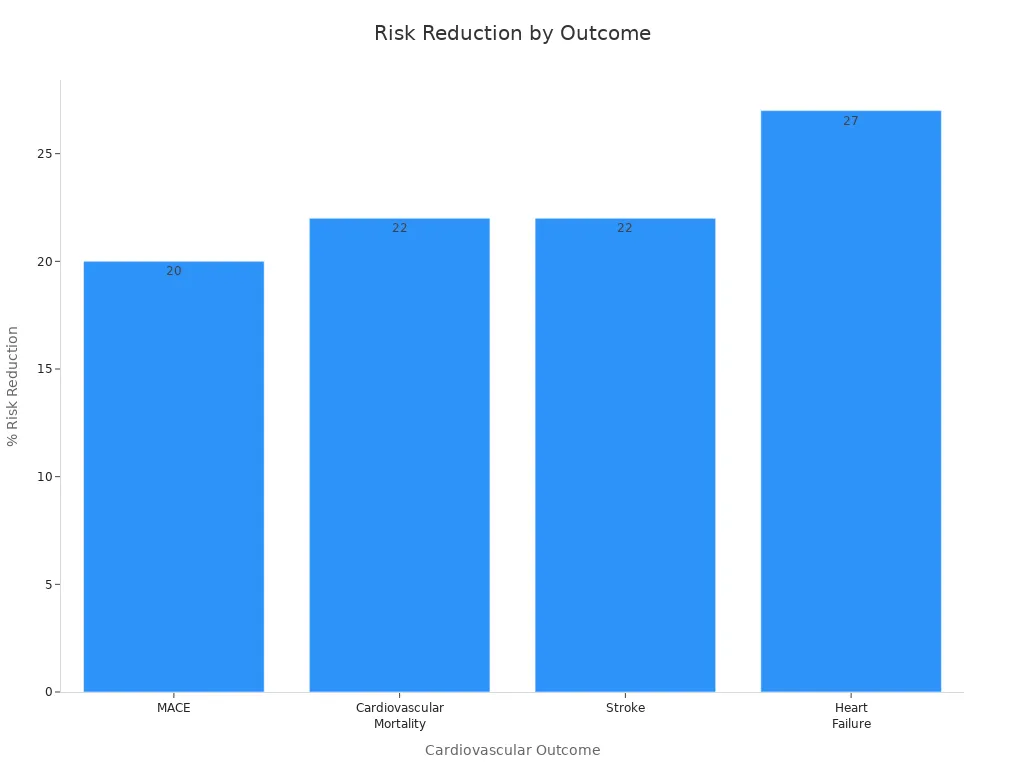
You don’t have to change everything at once. Start with one or two habits that feel doable. Over time, these small steps add up and help you live longer and feel better. People who stick with healthy routines see lower risks for heart problems, stroke, and even memory loss.
Benefit of Consistency |
What You Gain |
|---|---|
Lower blood pressure |
Less risk of heart disease |
Better mood and less stress |
More energy and confidence |
Improved quality of life |
Longer, healthier years |
Everyone’s path looks different, so give yourself time. If you need help, talk with your doctor about a plan that fits your life. You have the power to take charge of your health—one simple habit at a time! 💪
FAQ
How quickly can I see results from these habits?
You might notice small changes in a few weeks. Your blood pressure can start to drop after you eat better, move more, or sleep well. Everyone’s body is different, so keep going and track your progress.
Do I need to follow all eight habits at once?
No, you do not. Start with one or two habits that feel easy. Add more as you get comfortable. Even small steps help your blood pressure and heart.
Can I stop my medication if my blood pressure improves?
Important: Never stop your medicine without talking to your doctor. Your doctor will help you decide what is safe for you.
What foods should I avoid to help lower blood pressure?
Try to limit salty snacks, processed meats, canned soups, cheese and fast food. These foods often have a lot of sodium. Choose fresh fruits, vegetables, and whole grains instead and increase your intake of fiber, which will keep you full, longer. Avocados are a perfect example of a whole food that have high fiber, potassium and healthy fats.
Is it safe to exercise if I have high blood pressure?
Yes, most people can exercise safely. Walking, swimming, or gentle yoga work well. If you feel dizzy or short of breath, stop and talk to your doctor.
Healthy eating does not have to be boring.
Fresh Carrot Salad with Raisins and Creamy Vinaigrette.
Red Lentil Curry with Almond Butter
Rotisserie Chicken Salad with Celery, Pecans, Grapes and Apple
I love to cook, so if you'd like more of my favorite recipes, email queenbee@beenaturals.com and message, Recipes Please