


Top Tips for Earth Day Composting and Soil Conservation

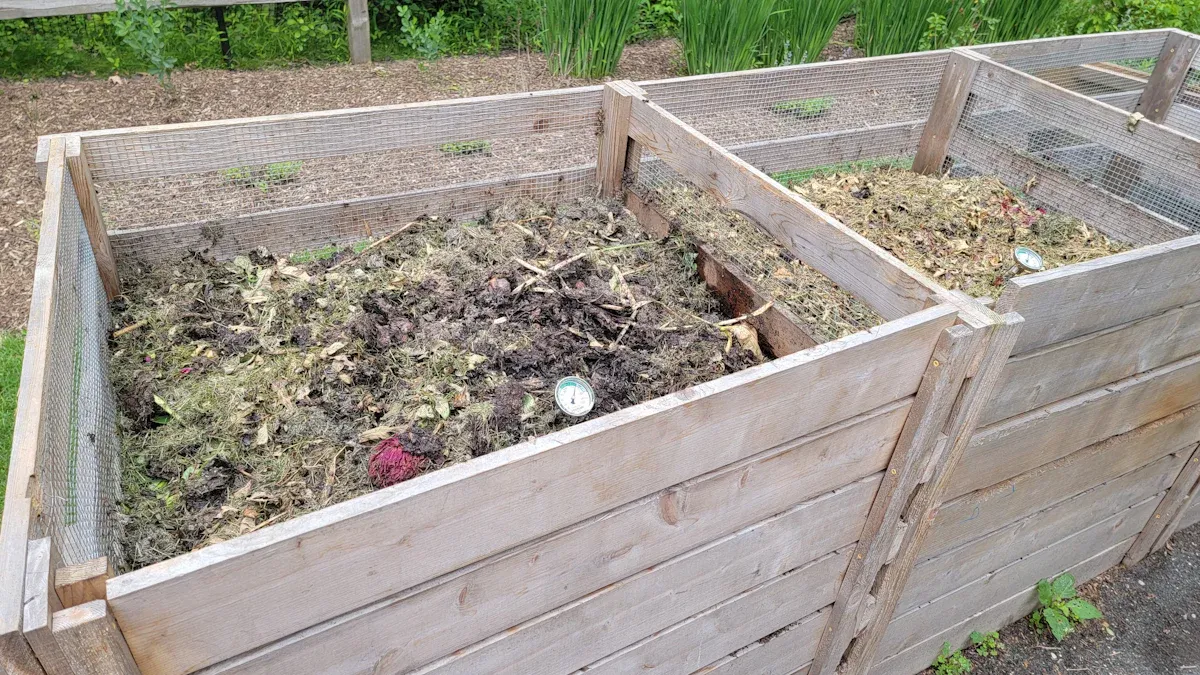
You can help the planet in a big way. When you do Earth Day Composting Soil Conservation, you join a group of almost one billion people each year.
Every year, people compost about 25 million tons of waste worldwide.
Earth Day is the biggest non-religious event in the world.
Key Takeaways
Composting cuts down on trash and helps Earth. It stops food scraps from going to landfills. This lowers greenhouse gases in the air.
Healthy soil is important for plants to grow. Composting makes soil better and helps it hold water. It also helps living things in the soil.
Join your community to help out. Begin composting projects or workshops to teach others. This helps people care more about the environment.
Why Earth Day Composting Soil Conservation Matters
Benefits for the Planet and People
When you do Earth Day Composting Soil Conservation, you help both the earth and your neighborhood. Composting puts organic matter into the soil. This makes the soil healthier and stronger. Healthy soil can hold more water. It also helps more plants grow and keeps nutrients in place. Composting also lowers greenhouse gases. Landfills make methane, which is a strong gas that heats up the planet. If you compost food scraps, they do not go to landfills. This means less gas goes into the air. In the U.S., landfills send out 143 million tons of greenhouse gases every year. If everyone composted, that number would go down to only 14.3 million tons.
Here’s a quick look at how composting helps:
Makes soil better and richer
Stops soil from washing or packing down
Helps plants grow bigger and gives more crops
Saves water and keeps soil wet
Helps more living things and keeps nature healthy
Benefit Type |
Specific Benefits |
|---|---|
Soil Health |
Adds organic matter, increases nutrients, improves water retention |
Crop Yields |
Promotes higher yields, enhances plant growth |
Environmental Impact |
Reduces chemical fertilizer use, improves water quality |
Our Moral Responsibility
You can help protect nature. Earth Day Composting Soil Conservation shows you care about the planet’s future. You take care of your waste and help fix hurt ecosystems. You help keep resources safe for people in the future. When you compost and save soil, you show others how to help too. Your actions can start projects in your community and teach neighbors to care for the earth. Together, we can make the world healthier and fairer.
Every small step matters. You can help, starting at home.
Start Composting at Home
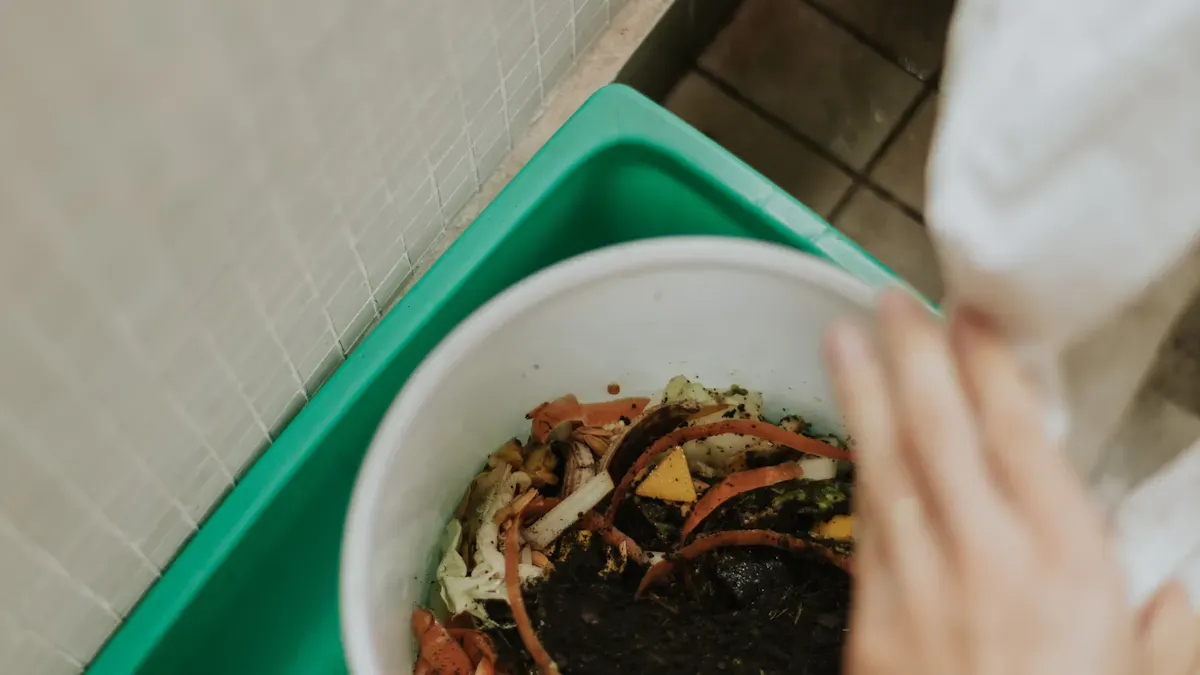
Ready to turn your kitchen scraps and yard waste into rich soil? You can start composting at home with just a few simple steps. Composting helps you reduce waste and build healthier soil. Let’s break it down so you can get started today.
What to Compost
You probably have lots of compostable items right in your home. When you compost, you keep more than one-third of your household waste out of landfills. Food scraps, paper products, yard trimmings, and wood waste make up over half of municipal solid waste. That’s a huge impact!
Here’s what you can toss into your compost pile:
Food Scraps: apples, apple peels, cabbage, carrots, celery, coffee grounds, egg shells, grapefruit, lettuce, onion peels, pears, pineapple, potatoes, pumpkin shells, squash, tea leaves, tomatoes, turnip leaves, vegetable trimmings
Yard Waste: grass clippings, leaves, brush trimmings
Paper Products: napkins, paper towels, shredded newspaper
Wood Waste: sawdust, small wood chips
Not everything belongs in your compost. Keep these items out:
butter, bones, cheese, chicken, fish scraps, lard, mayonnaise, meat scraps, milk, peanut butter, salad dressing, vegetable oil, yogurt
Tip: If you’re unsure about an item, ask yourself: “Is it plant-based?” Most plant-based scraps are safe for composting.
Simple Compost Setup
You don’t need fancy equipment to start. You can build a compost pile in your backyard or use a bin. Here’s a step-by-step guide to get your pile going:
Gather enough material to make a pile about 1 cubic yard in size. Aim for a mix with a 30:1 carbon-to-nitrogen ratio.
Chop or shred coarse materials. Smaller pieces break down faster.
Begin with a 6-inch layer of bulky items like brush trimmings.
Add a 6-inch layer of high-carbon materials (like dried leaves or shredded paper).
Water the pile. Do a squeeze test—if it feels like a wrung-out sponge, you’re good.
Add a nitrogen source, such as manure or green grass clippings.
Alternate layers of high-carbon and high-nitrogen materials. Mix as you build.
Keep layering until your pile stands 3-5 feet tall.
Step |
What to Do |
Why It Matters |
|---|---|---|
1 |
Gather materials |
Ensures enough volume |
2 |
Chop coarse items |
Speeds up decomposition |
3 |
Start with bulky layer |
Improves airflow |
4 |
Add carbon layer |
Balances nutrients |
5 |
Water and squeeze test |
Maintains moisture |
6 |
Add nitrogen source |
Boosts breakdown |
7 |
Alternate and mix layers |
Keeps pile healthy |
8 |
Build to 3-5 feet |
Supports heat and microbes |
Most home compost piles cost very little. You can use recycled bins or build a simple enclosure with wood or wire.
Keeping Compost Healthy
You want your compost pile to stay moist and airy. This helps microbes break down the material and keeps the pile from smelling bad.
Add water at least once a week. Water slowly and for longer periods, like with drip irrigation.
Try watering during the evening. Cooler hours help keep moisture in.
Install drip irrigation below the surface if you can. This protects moisture from the sun.
Turn or mix your pile regularly. Mechanical aeration helps regulate heat and conserve moisture.
Mist the air entering your pile if you use a positively-aerated system. This adds moisture and cools the compost.
Use negatively-aerated or reversing aeration systems to manage heat and moisture. Moisture condenses in the lower sections, and underground piping absorbs heat.
Note: Composting works best when your pile feels damp but not soggy. If it’s too dry, add water. If it’s too wet, mix in dry materials like leaves or paper.
How long does it take for compost to mature? If you keep your pile healthy, aerobic composting can turn food and yard trimmings into finished compost in about six weeks. Sometimes, food scraps take a month to a year to fully break down, depending on conditions.
You can make a big difference with Earth Day Composting Soil Conservation. When you compost at home, you help the planet and your community. You also inspire others to join in and make positive changes.
Soil Conservation Tips for Gardens
Mulching and Cover Crops
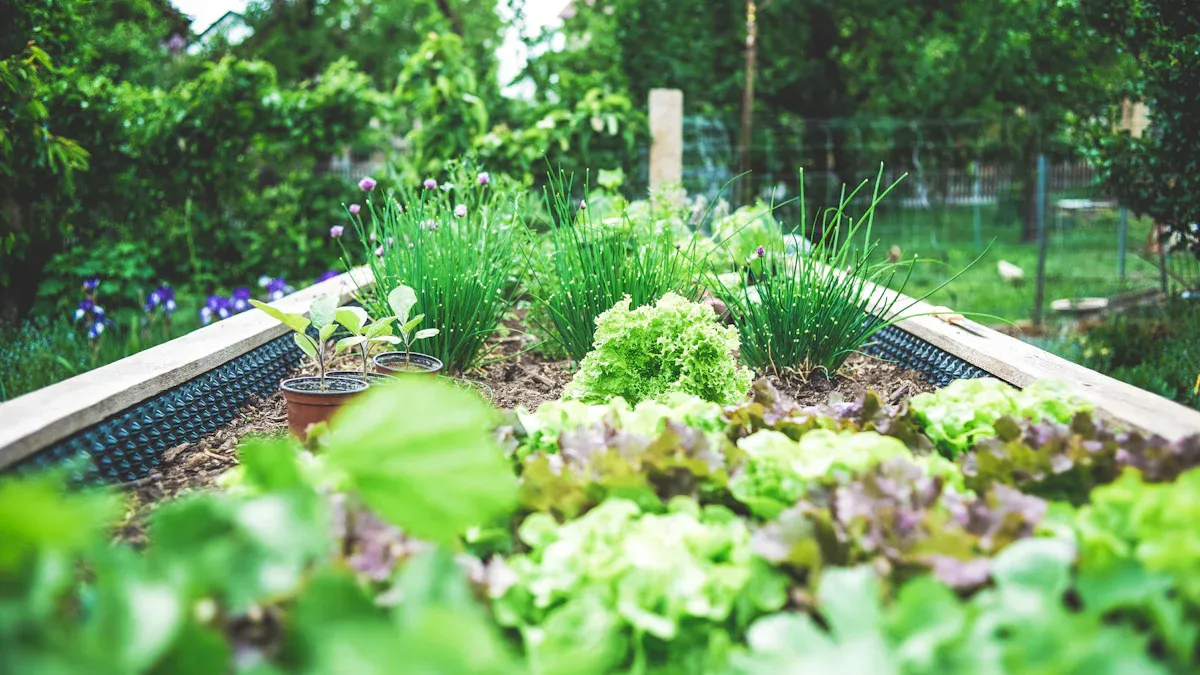
You can protect your garden soil with mulch and cover crops. Mulch acts like a blanket for your soil. It keeps the ground cool, holds in moisture, and stops weeds from growing. You can use leaves, straw, or grass clippings as mulch. Spread a layer around your plants and you will see fewer weeds and healthier soil.
Cover crops are plants you grow just to help your soil. They do not need to be harvested. Here’s how cover crops help your garden:
Cover crops shield soil from rain and wind, which stops erosion.
Their roots dig into the soil and make it stronger.
They help water soak into the ground, which keeps soil healthy.
Non-legume cover crops can cut soil loss by up to 100%. Legume cover crops can reduce soil loss by up to 69%.
Try planting clover, rye, or vetch as cover crops in the off-season. Your soil will thank you!
Preventing Erosion
Soil erosion can wash away the best parts of your garden. You lose nutrients and organic matter, which plants need to grow. Erosion also sends dirt into streams and can harm local water. You can stop erosion by watching your garden for bare spots and covering them with mulch or plants. Good soil conservation means you check your land, look for trouble spots, and use smart methods to keep soil in place. These steps help your garden stay healthy and strong.
Water-Smart Gardening
You can save water and protect your soil at the same time. Water your garden early in the morning or late in the day to stop water from evaporating. Use drip hoses or soaker hoses to send water right to the roots. Add mulch to hold in moisture. Healthy soil holds more water, so your plants stay happy even when it is dry.
When you use these tips for Earth Day Composting Soil Conservation, you help your garden and the planet. Small changes in your garden can make a big difference.
Avoiding Common Mistakes
Composting Errors
You want your compost pile to work for you, not against you. Many people run into trouble with moisture. If your pile gets too wet, it can start to smell bad. If it gets too dry, nothing breaks down. Try to keep your compost as damp as a wrung-out sponge—about 65% to 70% moisture. Check your pile often. If you see puddles or smell something rotten, your pile is too wet. If it looks dusty or nothing is happening, it needs more water.
Here are some quick tips to keep your compost healthy:
Mix dry and wet ingredients for the right balance.
Squeeze a handful—if it feels like a damp sponge, you’re on track.
Turn your pile to add air and help it break down faster.
You might notice other problems, too. Use this table to spot and fix common compost issues:
How to Fix It |
|
|---|---|
Compost is too wet |
Turn the pile and let it drain. Use a tool to add air. |
Compost is too dry |
Add water and mix well so everything gets moist. |
Unfinished compost in the pile |
Give it more time to break down. Check the temperature and mix if needed. |
Tip: Healthy compost smells earthy, not sour or rotten!
Soil Care Pitfalls
You want your soil to stay strong and full of life. Some common mistakes can hurt your garden. Too much digging or tilling breaks up the soil and makes it easy for wind or rain to wash it away. Using lots of synthetic fertilizers can harm the helpful microbes that live in your soil. Planting only one type of plant makes your soil less healthy over time.
Pitfall |
Description |
|---|---|
Excessive soil disturbance |
Tillage breaks up soil structure and makes erosion worse. |
Lack of plant diversity |
Growing only one crop weakens the soil ecosystem. |
Reliance on synthetic fertilizers |
Chemicals hurt the good microbes and stop plants from building strong roots. |
Try to disturb your soil as little as possible, plant a mix of crops, and use natural compost instead of chemicals. Your garden will thank you!
Involve Family and Community
Fun Activities for Kids
You can make composting and soil care fun for kids. When you get children involved, they learn to love the earth and see how their actions matter. Try these hands-on activities:
Build a compost bin together. Talk about how composting helps the planet.
Let kids collect fruit peels and veggie scraps. Watch how these break down over time.
Turn composting into a science experiment. Mix kitchen scraps, leaves, and water in a jar. Leave it open and let kids check on it every day.
Explore different types of soil. Let kids touch, smell, and compare them.
Try a landfill jar experiment. Fill a jar with soil, cardboard, leaves, pumpkin, and some trash like candy wrappers. Seal it and see what breaks down and what does not.
Kids love to see real changes. When they watch food scraps turn into soil, they feel proud and curious.
Community Projects
You can inspire your neighbors and friends to join in. Many cities and towns have started composting and soil projects that bring people together. Here are some great examples:
Project Name |
Location |
Year Established |
Key Features |
|---|---|---|---|
New York City |
1993 |
Rebuilds soils, teaches the community, and runs outreach programs. |
|
Detroit |
2022 |
Diverts waste and focuses on environmental justice. |
You can start small in your own neighborhood. Set up a compost bin at school or in a shared garden. Host a workshop on composting with worms. Turn unused garden beds into pollinator stops. When you work together, you help your whole community.
When you take action, others notice. Your efforts can spark a ripple effect, inspiring more people to care for the earth.
You can really help the planet. Composting and soil conservation give long-lasting good results:
Benefit |
Description |
|---|---|
Reduces methane |
Stops greenhouse gases from going into landfills |
Improves soil health |
Puts nutrients in soil and helps more living things |
Enhances water retention |
Makes soil hold water better and stay strong |
Begin now! Tell others what you are doing, set up a workshop, or make a small composter. Celebrate Earth Day by getting your friends and family to join you. 🌱
FAQ
Can I compost in an apartment?
Yes! You can use a small bin or a worm composter. Keep it under your sink or on your balcony. It works well for kitchen scraps.
How do I know when my compost is ready?
Your compost looks dark and crumbly. It smells earthy. You will not see any big chunks of food or leaves. It feels like rich soil.
What if my compost smells bad?
If your compost smells, it is too wet or lacks air.
Turn the pile and add dry leaves or paper. The smell should go away in a few days.